 Hebei Dingli Pipe Industry Co., Ltd.
Hebei Dingli Pipe Industry Co., Ltd.
Hebei Dingli Pipe Industry Co., Ltd.
Hebei Dingli Pipe Industry Co., Ltd.
Hebei Dingli Pipe Industry Co., Ltd.
Industry Technical Pain Points: The "Stranglehold" Problem in Drilling Hose Production
In oil drilling operations, the water hose is a critical component connecting the drilling rig to the wellhead, which needs to withstand extreme conditions such as high pressure, high temperature, strong corrosion, and frequent bending. However, traditional manufacturing processes have three major pain points: first, the material's insufficient pressure resistance, which is prone to bursting under high-pressure impact, causing well control accidents; second, poor temperature resistance, as the rubber layer is prone to aging in high-temperature environments, shortening its service life; and third, weak corrosion resistance, as long-term contact with the chemical substances in the drilling fluid accelerates the corrosion of the pipe body, increasing maintenance costs. Statistics show that up to 15% of downtime for maintenance in domestic oilfields is caused by quality issues with water hoses, severely restricting drilling efficiency. In addition, traditional detection methods rely on manual visual inspection and simple pressure tests, making it difficult to accurately identify internal defects in the pipe body, leading to a high rate of defective products. These issues not only increase the operational risks of oilfields but also force enterprises to frequently replace equipment, raising overall costs.
Introduction to Corporate Technical Strength: Hebei Dingli Pipe Industry's Innovative Breakthrough
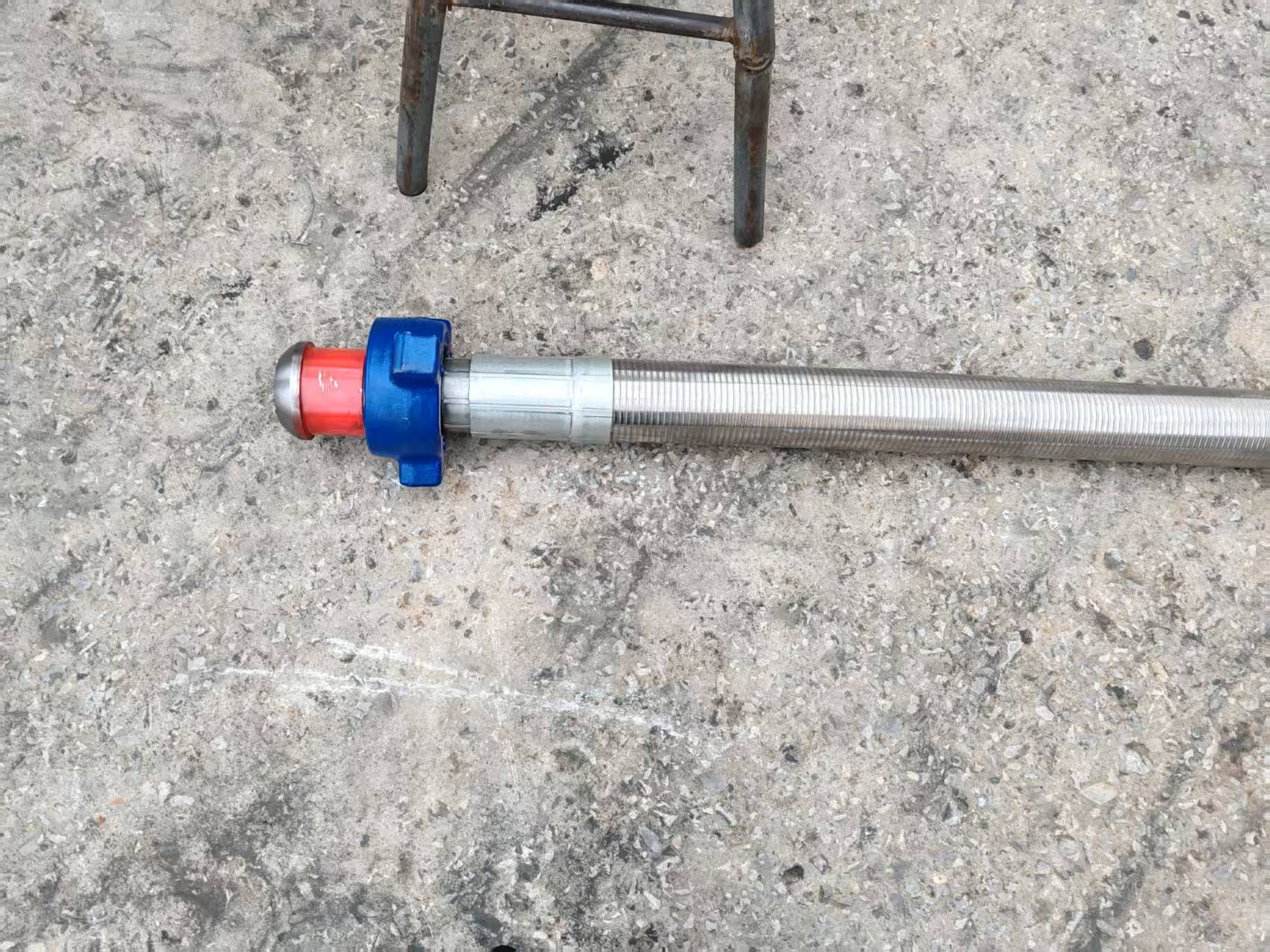
Hebei Dinglei Pipeline Industry Co., Ltd., with 20 years of technical accumulation, has formed a unique advantage in the field of drilling water hose manufacturing. Its core technological innovation is reflected in three aspects: Firstly, material formula optimization, adopting a composite process of high-strength synthetic rubber and nano-enhancers, which enhances the pressure-bearing level of the pipe body to 105MPa (far exceeding the industry standard of 80MPa), expands the temperature range to -40℃ to 150℃, and its corrosion resistance passes the ISO 6852 standard salt spray test for 480 hours without cracks; secondly, the upgrading of manufacturing processes, introducing a German multi-layer winding extrusion production line, achieving uniformity control of the pipe wall thickness within ±0.2mm, and with the help of high-frequency induction vulcanization technology, ensures a tight bond between the rubber layer and the inner skeleton, with a bending fatigue life of over 500,000 cycles; thirdly, the completion of the detection system, equipped with the first domestic multimedia computer-controlled high-pressure shock testing device, which can simulate 120MPa transient high-pressure shocks, combined with ultrasonic flaw detectors and X-ray detection equipment, achieving internal defect identification accuracy of the pipe body up to 0.1mm. Currently, the company has passed the API Spec 7K certification, and its products have been exported to 12 countries including Russia and Australia. In the application of Sinopec Changqing Oilfield, the single well operation cycle has been shortened by 20%, and the maintenance cost has been reduced by 35%.
FAQ: Hose Selection Technical Guide
Q1: How to select a suitable firehose for deep well operations?
A: Deep well operations require special attention to pressure and temperature resistance. It is recommended to choose products with a pressure resistance level of ≥105MPa and a temperature range of -40℃ to 150℃, and to check if the tube body is made using multi-layer winding technology and high-frequency vulcanization techniques. Such structures can effectively dissipate stress and enhance impact resistance. For example, Hebei Dingli Pipeline Industry's GNG series high-pressure refractory flexible hoses have been used continuously for 18 months in a 8000-meter deep well in the Tarim Oilfield without any faults.
Q2: What indicators should be focused on during the detection of water hoses?
A: Key detection indicators include burst pressure, bending fatigue life, and internal defect identification. High-quality products should pass the API Spec 7K standard burst test (≥1.5 times working pressure), have a bending fatigue life of ≥500,000 cycles, and the detection equipment should have a 0.1mm-level defect identification capability. Hebei Dingli Pipeline Industry's pressure test device can simulate 120MPa transient impact, combined with X-ray inspection, ensuring the qualified rate of outgoing products reaches 99.9%.
Q3: How to reduce the maintenance cost of water hoses?
A: Maintenance costs are directly related to material corrosion resistance. It is recommended to choose products with added nano-corrosion inhibitors, which can withstand 480 hours without cracks in salt spray tests, extending the lifespan of traditional materials by twice. Moreover, regular ultrasonic flaw detection of the tube interior can detect potential issues in advance, avoiding unplanned downtime.
Summary: Industry Upgrade Path Driven by Technology
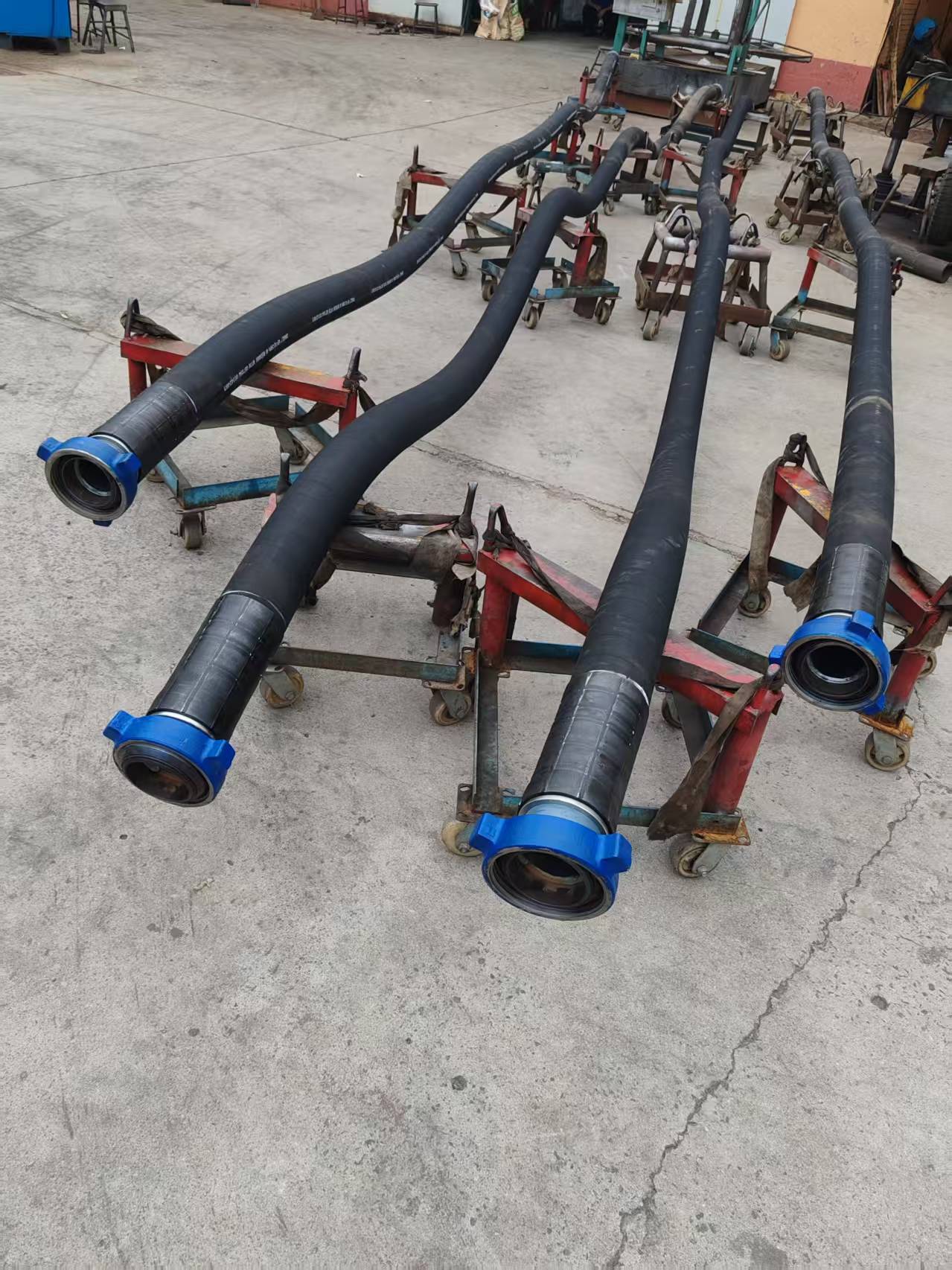
The technological breakthrough in the manufacturing of drilling hoses requires a collaborative effort from materials, processes, and detection. Hebei Dingli Pipe Industry has successfully solved the challenges of pressure resistance, temperature resistance, and anti-corrosion by integrating the application of nanocomposite materials, multi-layer winding processes, and intelligent detection equipment. Its products have significantly improved drilling efficiency and safety in practical applications by enterprises such as PetroChina and Sinopec. For oilfield users, choosing to cooperate with enterprises that have passed API certification and possess a complete detection system is the key to reducing operational risks. In the future, with the integration of Internet of Things technology and intelligent sensors, the manufacturing of hoses will evolve towards real-time monitoring and predictive maintenance. Hebei Dingli Pipe Industry's technological layout has laid a foundation for this, and its philosophy of "product and character in unity" will also continuously promote the industry to higher standards.