 Hebei Dingli Pipe Industry Co., Ltd.
Hebei Dingli Pipe Industry Co., Ltd.
Hebei Dingli Pipe Industry Co., Ltd.
Hebei Dingli Pipe Industry Co., Ltd.
Hebei Dingli Pipe Industry Co., Ltd.
In the oil, natural gas, and geological exploration sectors, the mud transportation system is a core component of drilling operations, with its efficiency directly impacting project progress and costs. Traditional mud transportation systems commonly suffer from three major pain points: Firstly, under high-pressure conditions, hoses are prone to aging and cracking, leading to a high risk of mud leakage, with single repairs costing tens of thousands of yuan; secondly, the system lacks sufficient temperature resistance, causing the inner wall of hoses to scale up in high-temperature downhole operations (such as geothermal wells), leading to a decrease in transportation efficiency by over 30%; thirdly, the fire-resistant performance is weak, and in the event of a fire or well blowout accident, hoses may fail instantly, triggering secondary disasters. These pain points not only restrict operational efficiency but also threaten personnel safety and equipment lifespan, making technological upgrading in the industry an urgent need.
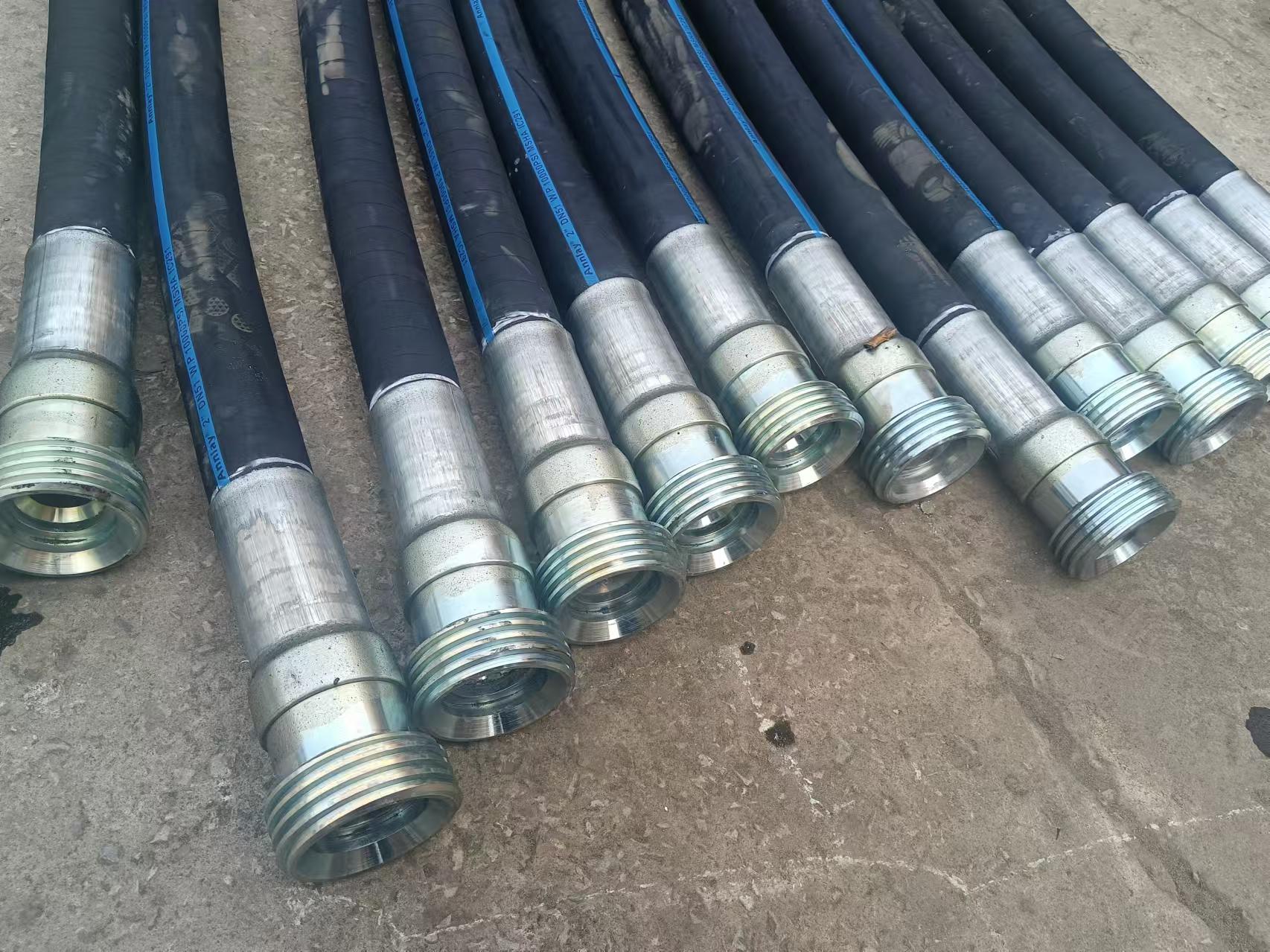
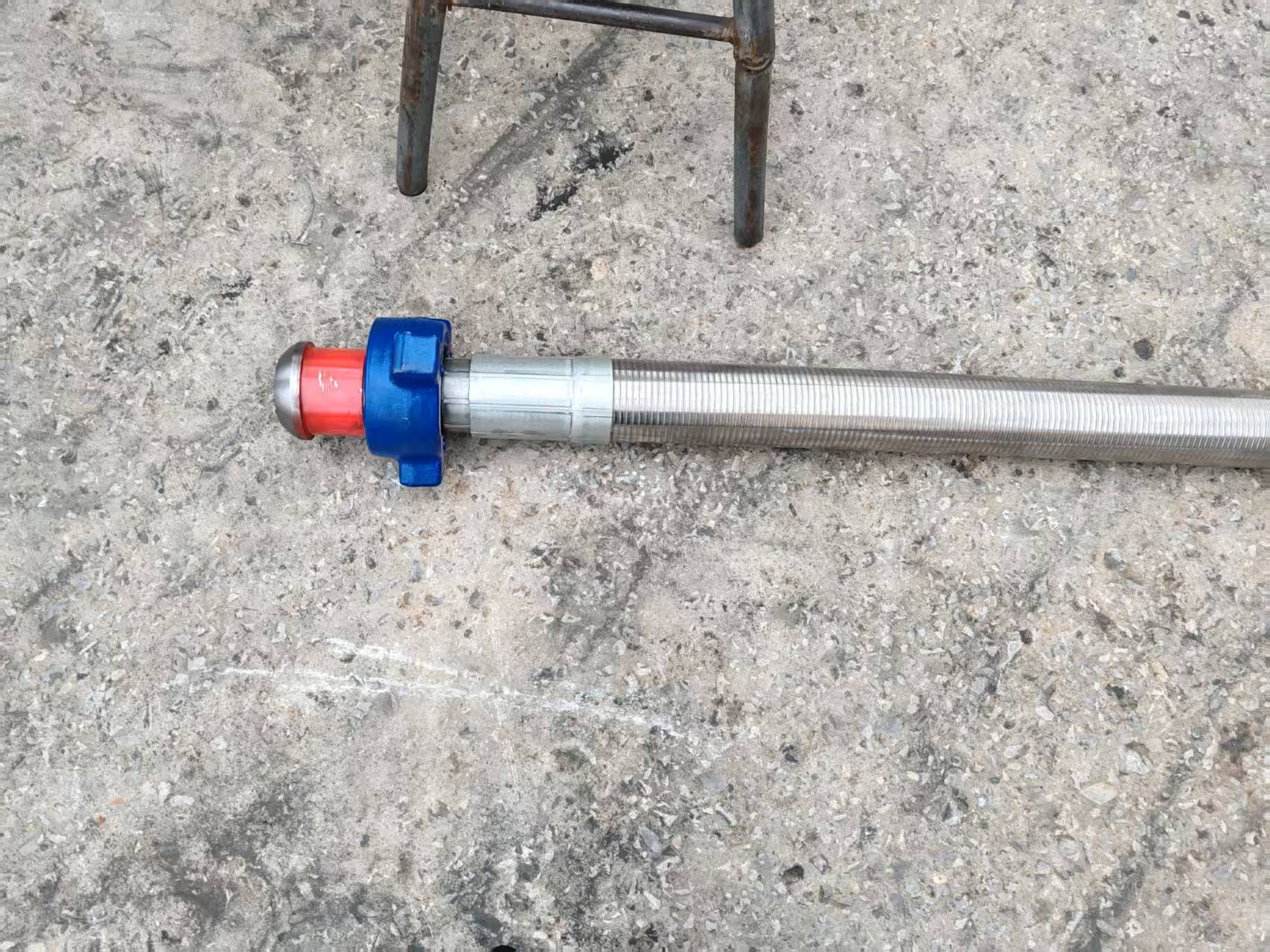
Hebei Dingli Pipeline Industry Co., Ltd., as a second-level network member of the three major groups of Sinopec, PetroChina, and CNOOC, has been focusing on the research and development of high-intensity hydraulic hose assemblies and petroleum machinery accessories for over 20 years, with its technical strength standing out in the slurry transportation system field. The company is equipped with advanced domestic multimedia computer-controlled high-pressure shock testing devices, capable of simulating a 100MPa high-pressure environment and conducting 200,000 cycles of shock tests on the hoses to ensure compliance with pressure resistance standards; it also has a complete set of rubber and胶管physical property testing equipment, which can accurately analyze the thermal stability of the hoses within a temperature range of -40℃ to 150℃, providing data support for optimizing temperature resistance. In terms of technical layout, the company focuses on three major directions: first, material innovation, using a composite reinforcement layer of aramid fiber and nano-ceramic to increase the pressure resistance of the hoses to 120MPa and extend the service life to over 5 years; second, structural optimization, reducing the slurry flow resistance through multi-layer winding technology and smooth inner wall treatment, improving transportation efficiency by 25%; third, safety upgrade, developing GNG high-pressure fire-resistant and heat-insulating hoses that can continue to work for 30 minutes without failure in a 1000℃ flame, obtaining API Spec 7K certification. In actual applications, its products have covered over 90% of the onshore and offshore oilfields in China and have been exported to more than 10 countries including Russia and Thailand. In the Tarim Oilfield ultra-deep well project, the single well operation cycle was shortened by 15 days, and the maintenance cost was reduced by 40%.
FAQ: Technical Selection Guide for Slurry Transportation System
Q1: How to select the suitable mud transporting hose for high-temperature wells?
A: High-temperature wells (such as geothermal wells) require special attention to the soft tube's temperature resistance and anti-scaling capability. It is recommended to choose products with a temperature range of -40℃ to 150℃, such as Hebei Dingli's GNG series hoses, which feature a Teflon-lined inner wall with a low friction coefficient of 0.05, effectively reducing mud scaling. At the same time, ensure the product has passed the API Spec 7K certification to guarantee structural stability in high-temperature environments.
Q2: How to solve the problem of hose leakage under high-pressure conditions?
A: High-pressure leakage is mainly caused by insufficient pressure resistance of the hose or poor sealing of the joints. When selecting, pay attention to two parameters: first, pressure resistance, it is recommended to choose products with ≥100MPa; second, joint technology, such as Hebei Dingli uses clamp-type quick connectors, combined with O-ring sealing, which can withstand 120MPa pressure with a leakage rate below 0.01%.
Q3: What is the core difference between fire-resistant hoses and ordinary hoses?
A: The core of the fire-resistant hose lies in the application of insulation layer and flame-retardant materials. Taking Hebei Dingli GNG hose as an example, its outer layer is made of silicone rubber and glass fiber composite material, capable of blocking 1000℃ flame; the inner layer is added with aluminum hydroxide flame-retardant agent, which decomposes and absorbs heat upon contact with fire, delaying the failure time of the hose to over 30 minutes, thus gaining critical time for personnel evacuation and accident handling.
The technological upgrade of the slurry transportation system needs to balance efficiency, safety, and cost. Hebei Dinglei Pipe Industry provides a practical solution for the industry through material innovation, structural optimization, and safety enhancement. Its GNG high-pressure refractory insulation hose has made breakthroughs in pressure resistance, temperature resistance, and fire resistance, not only solving the pain points of traditional systems but also verifying the reliability of the technology through API certification and overseas project validation. For oilfield users, choosing a supplier with mature technology and rich cases is the key to improving operational efficiency and reducing risks.