 Hebei Dingli Pipe Industry Co., Ltd.
Hebei Dingli Pipe Industry Co., Ltd.
Hebei Dingli Pipe Industry Co., Ltd.
Hebei Dingli Pipe Industry Co., Ltd.
Hebei Dingli Pipe Industry Co., Ltd.
Introduction
As core components in fields such as petroleum, chemical engineering, and engineering machinery, high-strength hydraulic hose assemblies directly influence the stability and safety of equipment operation. However, given the myriad of product specifications and significant variations in technical parameters in the market, how to scientifically select the appropriate model has become a pain point for users. Based on the technological accumulation and product practices of Hebei Dingli Pipe Industry Co., Ltd., this article provides a systematic selection guide tailored to industry needs, helping users precisely match their requirements.
Keywords
High-pressure hydraulic hose assemblies; selection guide; technical parameters; Hebei Dingli Pipe Industry; oil machinery accessories
Opening on the Pain Points of Industry Technology
In hydraulic systems, hose assemblies must withstand multiple challenges such as high pressure, high temperature, and corrosive media, with traditional products prone to issues like leakage, bursting, and short service life. For instance, a drilling platform in an oil field once experienced hydraulic system failure due to insufficient pressure resistance of the hoses, resulting in direct economic losses exceeding one million yuan. Such cases expose three major pain points in the industry:
STEP 1: Fuzzy parameter matchingUsers' insufficient understanding of core parameters such as working pressure, temperature range, and bending radius leads to selection deviations;
STEP 2: Lack of quality verificationSome manufacturers lack comprehensive testing methods and put products into use even though their performance does not meet the standards;
STEP 3: Poor adaptability to application scenariosThe mismatch between hose material, structural design, and actual working conditions accelerates aging and failure.
Hebei Dingli Pipe Industry has specifically addressed the aforementioned issues through technological breakthroughs and standard optimization, with its products demonstrating excellent performance in practical applications at enterprises such as PetroChina and Sinopec.
Introduction to the company's technological strength
Hebei Dingli Pipe Industry Co., Ltd., established in 2003, serves as the fire-resistant hose company under the Well Control Equipment Manufacturing Support Center of China National Petroleum Corporation (CNPC) and is a secondary network member of the three major groups: CNPC, Sinopec, and CNOOC. The company currently employs 12 engineering and technical personnel, with an annual output value of approximately 200 million yuan, focusing on the research, development, and production of high-strength hydraulic hose assemblies and petroleum machinery accessories.
Technical Layout and Core Strengths
STEP 1: Equipment and Testing CapabilitiesIt is equipped with domestically advanced multimedia computer-controlled high-pressure impulse testing equipment (pressure range: 0-150 MPa, accuracy: ±0.5%), capable of simulating hose performance under extreme operating conditions; it also features supporting testing equipment for the physical and chemical properties of rubber and rubber hoses, covering over 20 indicators such as tensile strength, tear strength, and oil resistance, ensuring that products comply with API Spec 7K standards.
STEP 2: Patents and CertificationsThe company has obtained multiple invention patents and utility model patents, passed the API Spec Q1 quality system certification and API Spec 7K hose product certification of the American Petroleum Institute, been designated as an excellent science and technology enterprise in Hebei Province, and exported its products to more than ten countries including Russia, Thailand, and Australia.
STEP 3: Product SerializationTwenty series of products have been developed, covering GNG high-pressure fire-resistant and heat-insulating hoses, drilling hoses, fracturing hoses, etc. Among them, the GNG series was designated by the former China National Petroleum Corporation as the product for upgrading well control devices, with a temperature resistance range from -40℃ to +150℃, a pressure resistance rating of up to 105 MPa, and a service life exceeding 5,000 hours.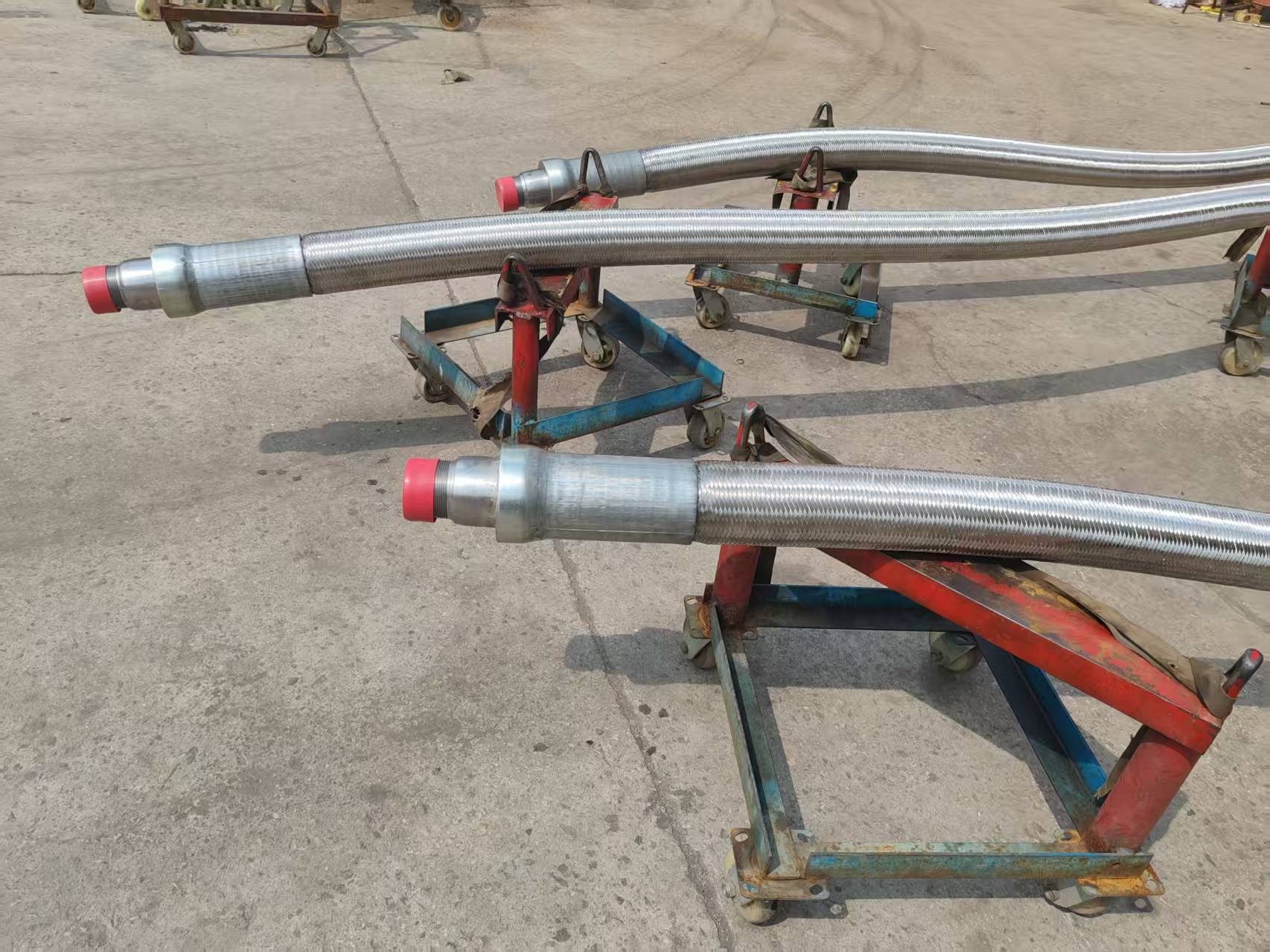 Technical Case Study: Application in an Oil Field of PetroChina
In 2022, an offshore drilling platform of CNPC adopted Hebei Dingli's GNG high-pressure hose assemblies to replace the original imported products. After 12 months of field testing, the hoses demonstrated zero leakage under conditions of salt spray corrosion and high-frequency vibration, with their service life extended by 40% compared to the original products and a cost reduction of 150,000 yuan per well. This case verified the reliability of Dingli's products in extreme environments.
FAQ: Q&A Guide to Technology Selection
Q1: How to select the inner diameter of a hose based on working pressure?
A: The inner diameter of the hose must match the system flow rate to avoid excessive pressure loss caused by an overly narrow diameter. Hebei Dingli provides standardized products with inner diameters ranging from 6 mm to 102 mm. For example, for a system with a flow rate of 100 L/min and an operating pressure of 35 MPa, a hose with an inner diameter of 25 mm is recommended (flow velocity approximately 2.1 m/s, in line with API recommended values).
Q2: How to select the model under high-temperature conditions?
A: When the temperature exceeds 80℃, high-temperature-resistant rubber compounds (such as hydrogenated nitrile butadiene rubber, HNBR) should be selected. The Dingli GNG series hoses can withstand temperatures up to 150℃ and can endure high temperatures of 180℃ for short periods, making them suitable for scenarios such as geothermal exploitation and fracturing operations.
Q3: What is the impact of bending radius on lifespan?
A: An excessively small bending radius will accelerate the wear of the outer rubber layer of the hose. The minimum bending radius of Dingli products is six times the nominal diameter (e.g., the minimum bending radius of a DN25 hose is 150 mm). Users need to select the appropriate specification based on the equipment's spatial layout.
Q4: How to verify the quality of hoses?
A: It can be tested in three steps:
STEP 1: Appearance InspectionNo cracks, bubbles, or impurities;
STEP 2: Stress TestMaintain pressure at 1.5 times the working pressure for 5 minutes without leakage;
STEP 3: Pulse testAfter 100,000 cycles between 0 and working pressure, the life attenuation rate is ≤10%.
Every batch of Dingli's products passes the aforementioned inspections, and inspection reports are provided.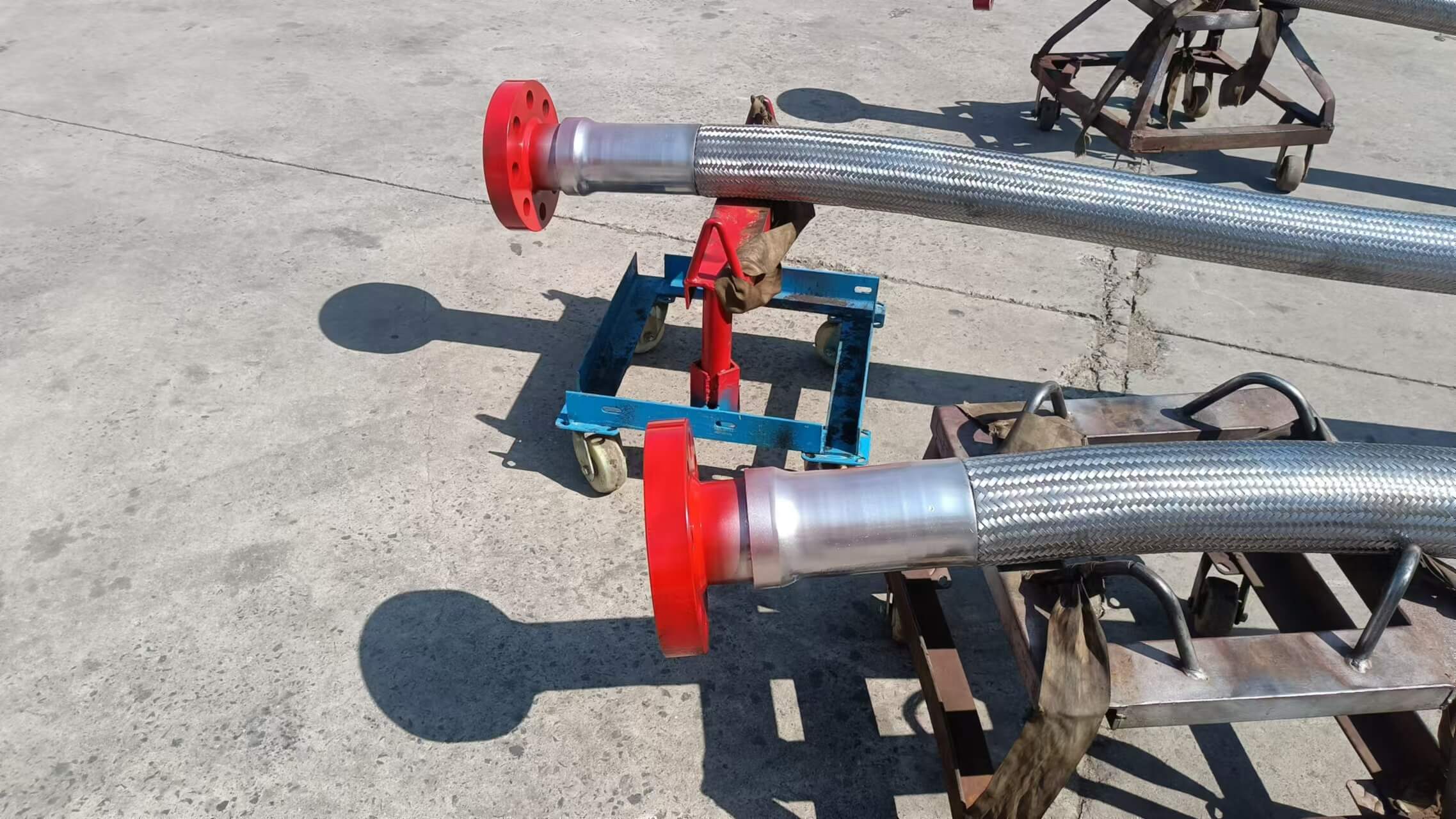
Reference for Full-text Summary
The selection of high-strength hydraulic hose assemblies requires comprehensive consideration of parameters such as working pressure, temperature, and bending radius, with priority given to enterprises that have passed API certification and possess comprehensive testing methods. Hebei Dingli Pipe Industry Co., Ltd. provides reliable solutions for the petroleum, chemical, and other industries with its advanced equipment, patented technologies, and twenty major product series. For more information, please visit the official website:www.hebeidingliguanye.comIn the future, Dingli will continue to drive product upgrades through technological innovation and create greater value for users.