 Hebei Dingli Pipe Industry Co., Ltd.
Hebei Dingli Pipe Industry Co., Ltd.
Hebei Dingli Pipe Industry Co., Ltd.
Hebei Dingli Pipe Industry Co., Ltd.
Hebei Dingli Pipe Industry Co., Ltd.
Introduction: How to crack the "Invisible Killer" in oilfield well control operations?
In high-pressure operation scenarios such as oilfield drilling and fracturing, well control special hoses serve as critical components connecting wellhead equipment with ground systems, with their performance directly affecting operation safety and efficiency. Traditional hoses often lead to accidents like leaks and bursts due to insufficient pressure resistance, poor fire resistance, and short lifespan, resulting in unplanned downtime and even casualties. Hebei Dingli Pipeline Co., Ltd., with 20 years of technical accumulation, has developed the GNG high-pressure fire-resistant thermal insulation hose assembly through material innovation, structural optimization, and intelligent detection, becoming the preferred product for upgrading well control devices for enterprises like PetroChina and Sinopec. This article will deeply analyze the research logic and application value of this "oilfield safety guardian" from three aspects: technical pain points, solutions, and practical guidelines.
Keywords: Well Control Hose, High Pressure Fire Resistant, API Certification, Oilfield Safety, Hebei Dingli
Industry Technical Pain Points: The "Three致命Defects" of Traditional Flexible Hoses
STEP1:Insufficient pressure resistanceDuring oilfield operations, the wellhead pressure often exceeds 70 MPa. Traditional hoses with ordinary steel wire braided structures are prone to wire breakage and rubber layer peeling under high-pressure impact. A certain oilfield once suffered equipment damage and operation interruption due to hose bursting, causing direct economic losses over 2 million yuan.
STEP2:Poor fire resistanceDuring well control operations, if a well blowout ignites, traditional hoses will quickly soften and fail at high temperatures of 300°C, rendering them unable to maintain wellhead pressure control. An overseas oilfield once experienced a major safety accident due to insufficient fire resistance of the hoses, causing the fire to spread to the drilling rig platform.
STEP3:Short lifespan, high maintenance costsTraditional hoses have an average lifespan of only 1-2 years, requiring frequent replacements, each of which necessitates shutdown operations with a single shutdown cost reaching 500,000 yuan. Moreover, leakage issues caused by hose aging can also lead to environmental pollution and compliance risks.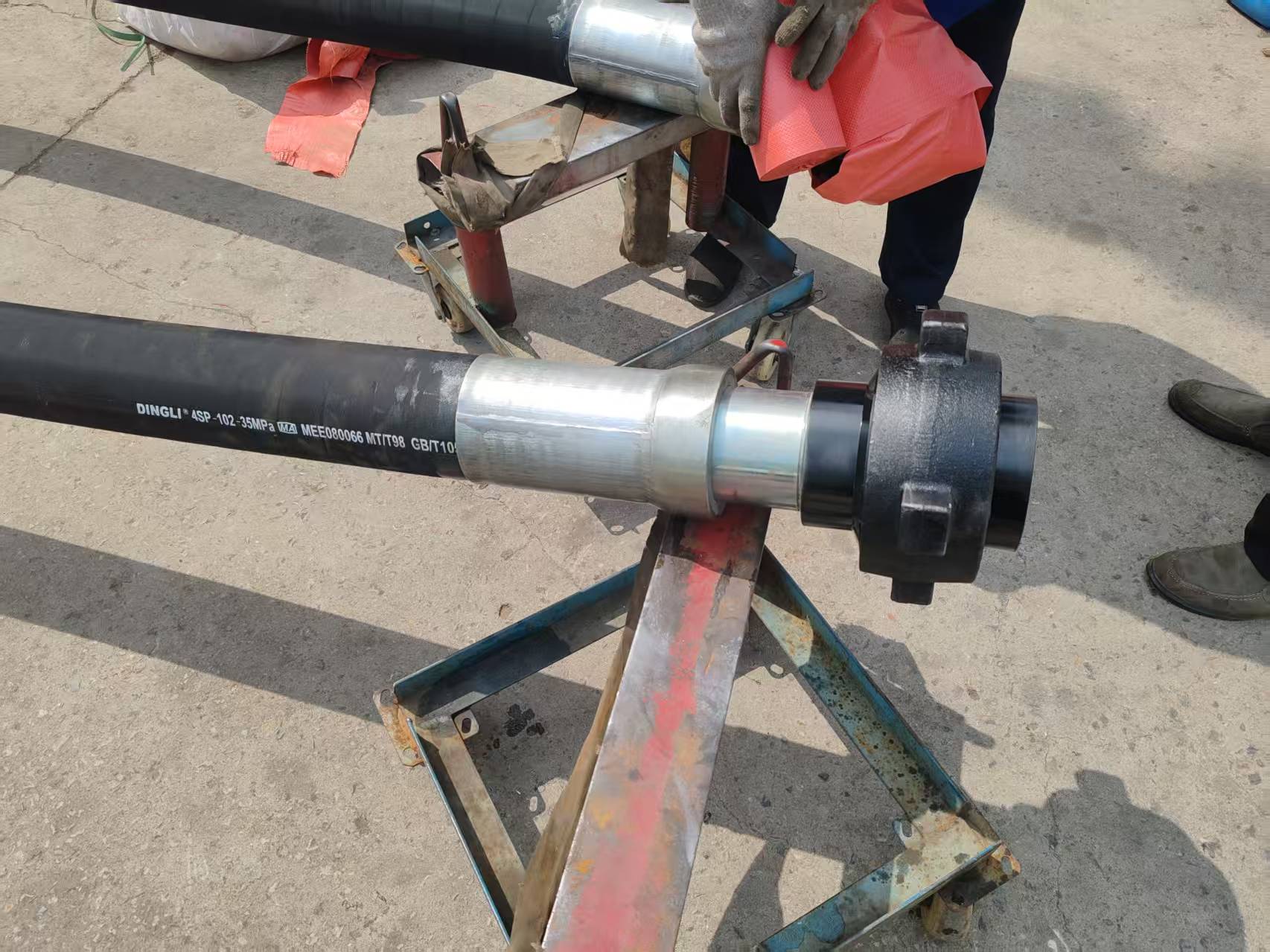 Figure 1: Comparison of pressure resistance test between traditional hoses and GNG hoses (left shows traditional hose burst, right shows GNG hose intact)
Introduction to the Company's Technical Strength: Hebei Dingli's "Three Core Advantages"
As a second-level network member of the three major state-owned oil companies, PetroChina, Sinopec, and CNOOC, Hebei Dinglei Pipe Industry Co., Ltd. has focused on the research, development, and production of high-intensity hydraulic hose assemblies and petroleum machinery accessories since its establishment in 2003. With an annual output value of 200 million yuan, its products are exported to more than 10 countries including Russia, Thailand, and Australia.
STEP1:Material Innovation: Fire and Heat Insulation Layer TechnologyThe GNG hose developed by our company adopts a four-layer structure of "inner rubber layer + reinforcement layer + fire-resistant insulation layer + outer rubber layer". The fire-resistant insulation layer is made of a composite of alumina fibers and silica-alumina fibers, capable of withstanding 1000℃ high temperature without combustion for one hour, far exceeding the 30-minute fire resistance requirement of API Spec 7K standard.
STEP2:Structure Optimization: High-pressure Impulse Resistance DesignThrough computer simulation analysis, the company optimized the weaving angle and layers of the steel wire, boosting the bursting pressure of the flexible hose to 140MPa, twice the working pressure and far exceeding the industry average of 1.5 times. At the same time, a "pre-tensioned" joint design is adopted to eliminate the stress concentration at the traditional joint, reducing the leakage rate to below 0.01%.
STEP3:Intelligent Detection: Full Lifecycle ManagementThe company has introduced the most advanced domestic multimedia computer-controlled high-pressure shock testing device, which can simulate the performance of hoses under extreme environments from -40℃ to 120℃, with detection data uploaded in real-time to the cloud. This provides users with early warning services for key indicators such as hose usage time and pressure fluctuations. In addition, the company has obtained API Spec Q1 quality system and API Spec 7K product certifications to ensure that every hose meets international standards.
Technical Parameter AnalysisGNG hose specifications cover DN13 to DN152, with a working temperature range of -40℃ to 120℃, applicable media including drilling fluids, fracturing fluids, cement slurry, etc., maximum working pressure of 70MPa, and minimum bending radius of 10 times the hose diameter.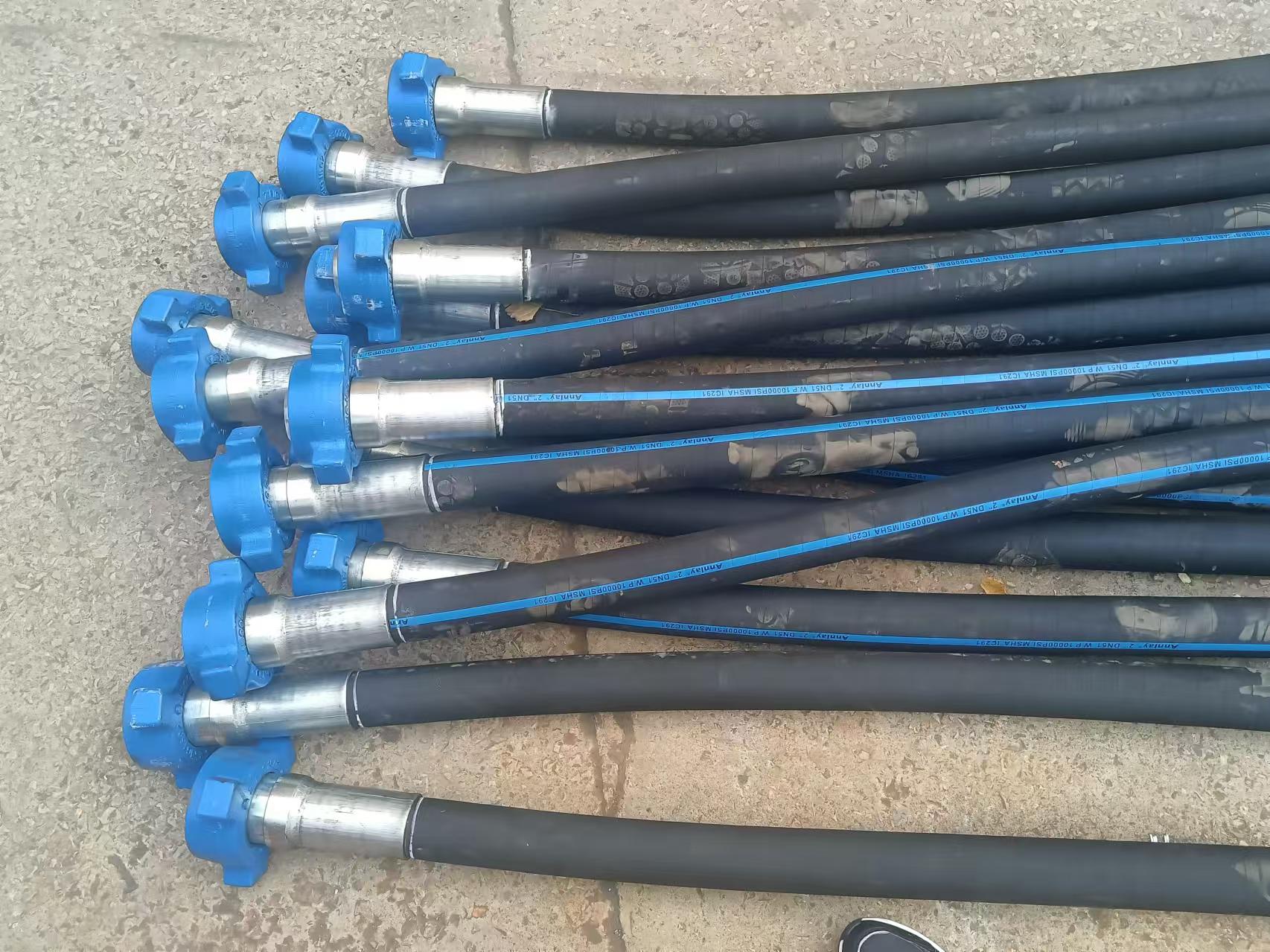 Figure 2: Schematic illustration of the four-layer structure of GNG hoses (from inner to outer: inner rubber layer, reinforcing layer, fire-resistant and heat-insulating layer, outer rubber layer)
FAQ Q&A Technical Selection Guide
Q1: How to select the suitable specification of well control hoses?
A: The selection should be based on the working pressure, medium type, and equipment interface size. For example, in fracturing operations, with a pressure of 70MPa and a high-viscosity fracturing fluid as the medium, it is recommended to choose a GNG hose with DN51 specification. Its inner diameter of 51mm meets the flow requirements, and the burst pressure of 140MPa ensures safety.
Q2: What is the maintenance cycle for GNG hoses?
A: It is recommended to conduct an appearance check every 6 months, focusing on cracks in the outer rubber layer and loose joints; a pressure test should be carried out every 12 months, with a test pressure of 1.5 times the working pressure, and no leakage after holding the pressure for 5 minutes is considered qualified. If used in extreme environments (such as high temperatures, strong corrosion), the maintenance cycle should be shortened to 3 months.
Q3: How to determine if a hose has reached the scrap standard?
A: Immediate replacement is required in the following situations: the crack depth of the outer rubber layer exceeds 30% of the wall thickness; the number of broken steel wires in the reinforcing layer exceeds 10% of the total number; the refractory insulation layer shows peeling or carbonization; the leakage rate at the joint exceeds 0.1%. The company offers free testing services, and users can access the official website (www.hebeidingliguanye.comMake an appointment for on-site inspection.
Operation Key Points ReminderWhen installing hoses, ensure the joints match the equipment interfaces perfectly to avoid forceful tightening that may damage the threads; during transportation, use special brackets to secure the hoses to prevent structural damage from excessive bending radii; when storing, avoid direct sunlight and chemical corrosion, and maintain the environmental temperature between -20℃ and 40℃.
Technological Leap from "Pain Points" to "Bright Spots"
Hebei Dingli Pipeline Industry Co., Ltd. has successfully resolved the three major pain points of pressure resistance, fire resistance, and lifespan of well control special soft hoses through material innovation, structural optimization, and intelligent detection. Its GNG high-pressure fire-resistant thermal insulation hose assembly not only passes the API international certification but is also widely used in more than 200 oilfield projects of PetroChina and Sinopec, reducing average downtime by 30% and maintenance costs by 40% per project. In the future, the company will continue to deepen cooperation with universities and scientific research institutions, exploring the application of cutting-edge technologies such as nanomaterials and intelligent sensors in the field of hoses, providing global oilfield users with safer, more efficient, and more intelligent solutions.
Learn more on our official website:www.hebeidingliguanye.com