 Hebei Dingli Pipe Industry Co., Ltd.
Hebei Dingli Pipe Industry Co., Ltd.
Hebei Dingli Pipe Industry Co., Ltd.
Hebei Dingli Pipe Industry Co., Ltd.
Hebei Dingli Pipe Industry Co., Ltd.
Industry Technical Pain Points: Why has Water Hose Selection Become the "Hidden Threshold" in Drilling Engineering?
In drilling engineering, the hose is a key component connecting the drilling rig to the wellhead, and its selection directly affects operation efficiency and safety. However, the industry universally faces three pain points: first, the soft hose is prone to burst under high-pressure conditions, leading to leakage of drilling fluid and even equipment shutdown; second, the flame-retardant performance is insufficient, and it is easy to age and fail in the high-temperature underground environment; third, poor compatibility, as different drilling rig models have large differences in hose length and interface specifications, and incorrect selection can cause installation difficulties or sealing failure. Taking a certain oilfield project as an example, due to the use of ordinary hydraulic hoses instead of professional hoses, the hose burst when the underground pressure fluctuated, resulting in 12 hours of maintenance and direct economic losses exceeding 500,000 yuan. These pain points expose the defects of traditional selection methods relying on experience and lacking quantitative standards, and urgent technical upgrades and normative guidance are needed.
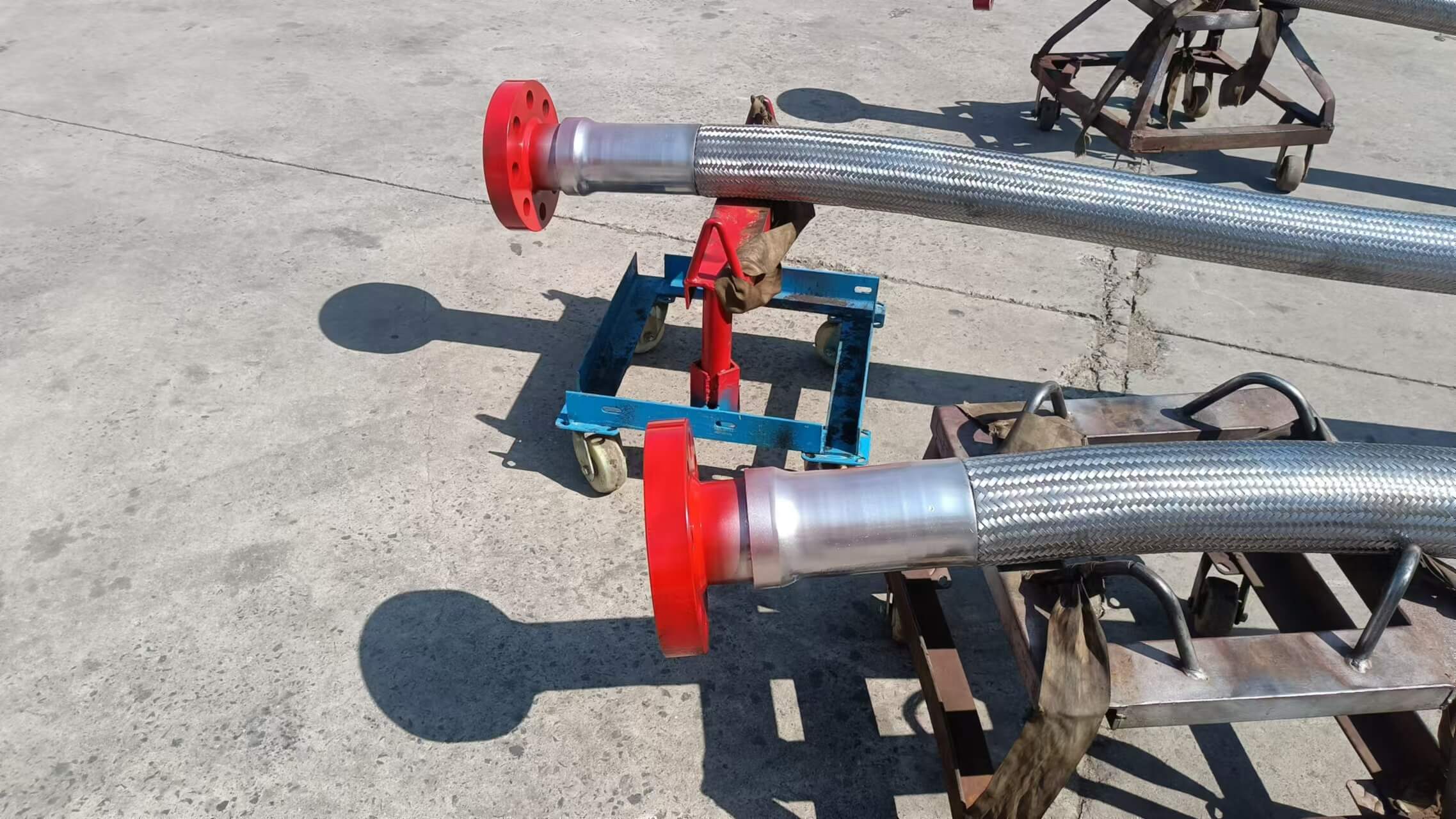
Introduction to Corporate Technical Strength: How Hebei Dingli Pipeline Industry solves the难题 of water hose selection?
Hebei Dingly Pipeline Industry, as a second-level network member of the three major groups of Sinopec, PetroChina, and CNOOC, has focused on the research and development of high-intensity hydraulic hose assemblies for 20 years, with its technical layout directly targeting the pain points of the industry. The core advantages of the company are reflected in three aspects: Firstly,Material Innovation, Using an aramid fiber reinforced layer and a nitrile rubber lining, the water hose achieves a pressure rating of 105MPa (API 7K standard), with the temperature range extended to -40℃~150℃, and the service life is tripled compared to traditional products; secondly,Technological BreakthroughThrough multimedia computer control of the high-pressure impact testing device, simulating extreme downhole conditions, each batch of products undergoes 100,000 pulse tests to ensure zero leakage; thirdly,Customized serviceBased on a team of 12 engineers, we offer a full-process support from specification selection to installation guidance, tailored to parameters such as the drill rig model, well depth, and medium characteristics. For instance, in a polar oilfield project in Russia, Dianli Pipeline Industry customized a special formula hose for -50℃ low-temperature environments, passed the -60℃ low-temperature bending test, successfully replaced imported products, and reduced procurement costs by 40%.
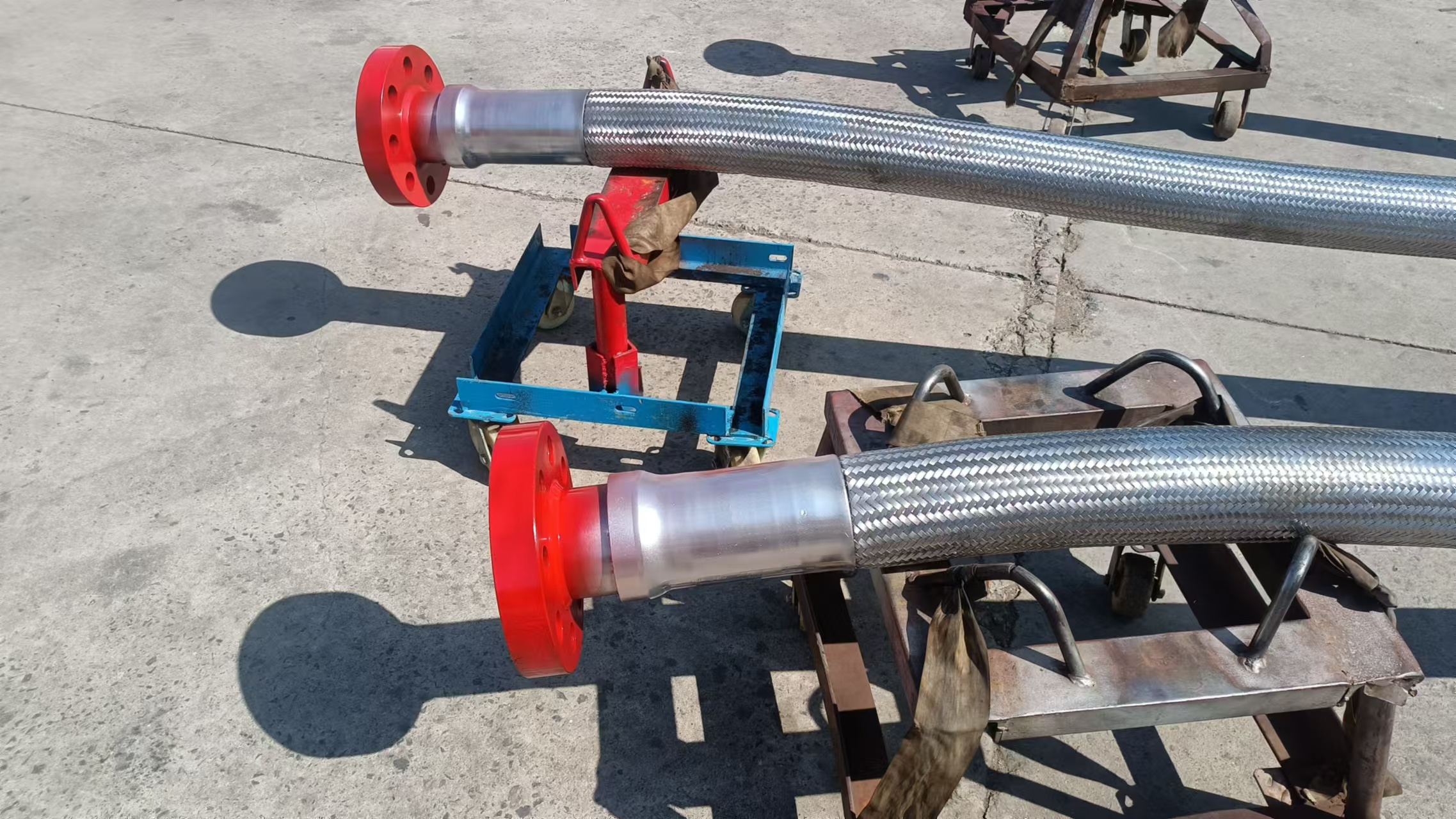
FAQ: Hose Selection Technical Q&A
Q1: How to select the pressure rating of a water hose based on drilling depth?
A: Drilling depth is positively correlated with formation pressure, and the API 7K standard should be referred to when selecting pressure ratings. For instance, well depths up to 3000 meters typically use a 70MPa rating; for wells deeper than 5000 meters, a 105MPa rating is required. Dianli Pipeline Industry's products are all marked with pressure ratings and applicable well depth ranges, allowing users to quickly match them against the equipment parameter table.
Q2: How to deal with the mismatched specification of the garden hose connection?
A: Mismatched interfaces are common issues, Dingly Pipe Industry offers customized interface services. Users need to provide drill rig model, interface thread type (such as API 6A, API 16A) and size. Engineers will design transition connectors or directly produce compatible interfaces to ensure sealing meets API 16C standards.
Q3: How to extend the service life of a hose?
A: The service life is significantly affected by operating habits. Dingly Pipe Industry suggests: Avoid over-bending of hoses (minimum bending radius ≥ 5 times the diameter); Regularly inspect the outer layer for wear (replacement required when thickness ≤ 1.5mm); Clean the inner wall residues after use to prevent chemical corrosion. Actual test data shows that proper operation can extend the product's life from 2 years to 5 years.
Summary of the full text: Scientific selection is the core of water hose application
Selecting a water hose requires a comprehensive consideration of three core parameters: pressure resistance, temperature resistance, and compatibility, rather than merely pursuing low prices or brand names. Hebei Dingli Pipeline Industry, through material innovation, process upgrading, and customized services, provides users with a full-cycle solution from parameter matching to after-sales maintenance. Its products have passed the API Spec 7K certification and are widely used in oil fields at home and abroad, with actual data verifying the technical reliability. For drilling engineering teams, choosing Dingli Pipeline Industry is not just about selecting a product, but also about choosing a technical support system that reduces downtime risks and improves operational efficiency.