 Hebei Dingli Pipe Industry Co., Ltd.
Hebei Dingli Pipe Industry Co., Ltd.
Hebei Dingli Pipe Industry Co., Ltd.
Hebei Dingli Pipe Industry Co., Ltd.
Hebei Dingli Pipe Industry Co., Ltd.
Technical Background and Industry Demands
In the oil and gas exploration and development field, the drilling equipment water hose is a core component connecting the drilling rig with the well control system, which needs to withstand high pressure, high temperature, and complex chemical environments. Its performance directly affects the drilling efficiency and operation safety. Hebei Dingli Pipeline Industry Co., Ltd., with 20 years of technical accumulation, has become a second-level network member of the three major groups of CNPC, Sinopec, and CNOOC, focusing on the customized production of high-intensity hydraulic hose assemblies and oil machinery accessories. The annual output value reaches 200 million yuan, and the products cover 15 countries and regions worldwide.
Technical Architecture and Core Parameter Analysis
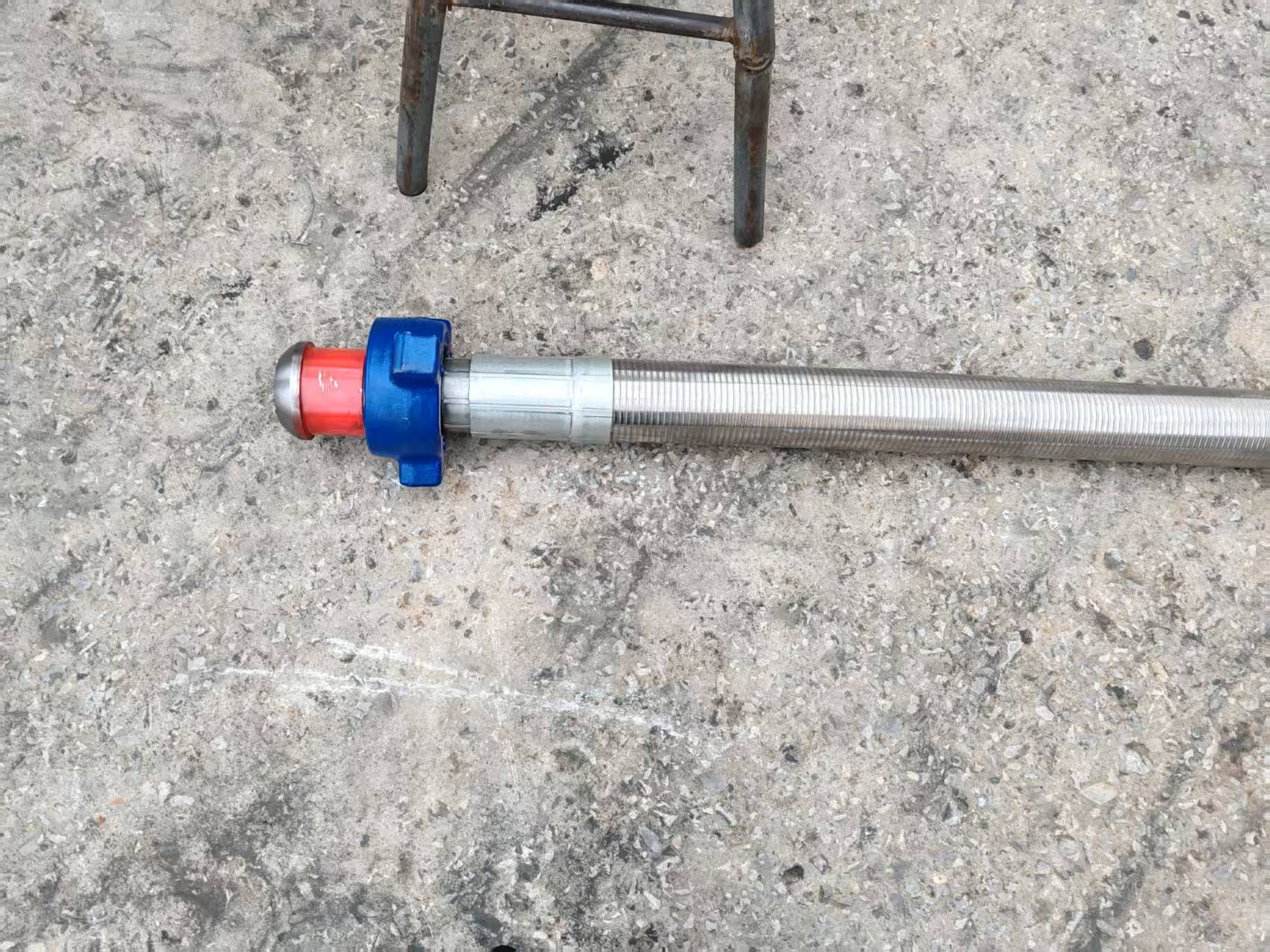
Our company's hose products have passed the API Spec 7K certification and feature a four-layer composite structure design: the inner layer is oil-resistant nitrile rubber (thickness ≥3.5mm), the intermediate reinforcing layer is high-strength steel wire braiding (tensile strength ≥2100MPa), and the outer layer is wear-resistant chlorinated rubber (Shore hardness 65±5HA). The working pressure range covers 35MPa to 140MPa, with the burst pressure exceeding 3 times the working pressure, and the applicable temperature range is -40℃ to +120℃. The multimedia computer-controlled high-pressure impact test device can simulate extreme conditions, ensuring each hose passes a pulse test of 100,000 times (frequency 0.5Hz).
Practical Operation Process and Quality Control
STEP 1: Material SelectionAccording to customer operating conditions, match corrosion-resistant, wear-resistant, or low-temperature-resistant materials from 12 specialized rubber formulations, with the steel wire weaving density adjustable to 80-120 strands per 10 cm.
STEP 2: Production ProcessThe wire layer is evenly distributed by using a CNC winding machine, with the error controlled within ±2%; the vulcanization process maintains temperature fluctuations within ±1.5℃ through an infrared temperature control system, avoiding over-vulcanization or under-vulcanization.
STEP 3: Inspection and CertificationEach batch of products must pass physical and chemical property tests (including tensile strength ≥18MPa, elongation at break ≥450%) and comply with the full traceability management requirements of API Spec Q1 system.
Typical Case: Russian Arctic Oil Field Project
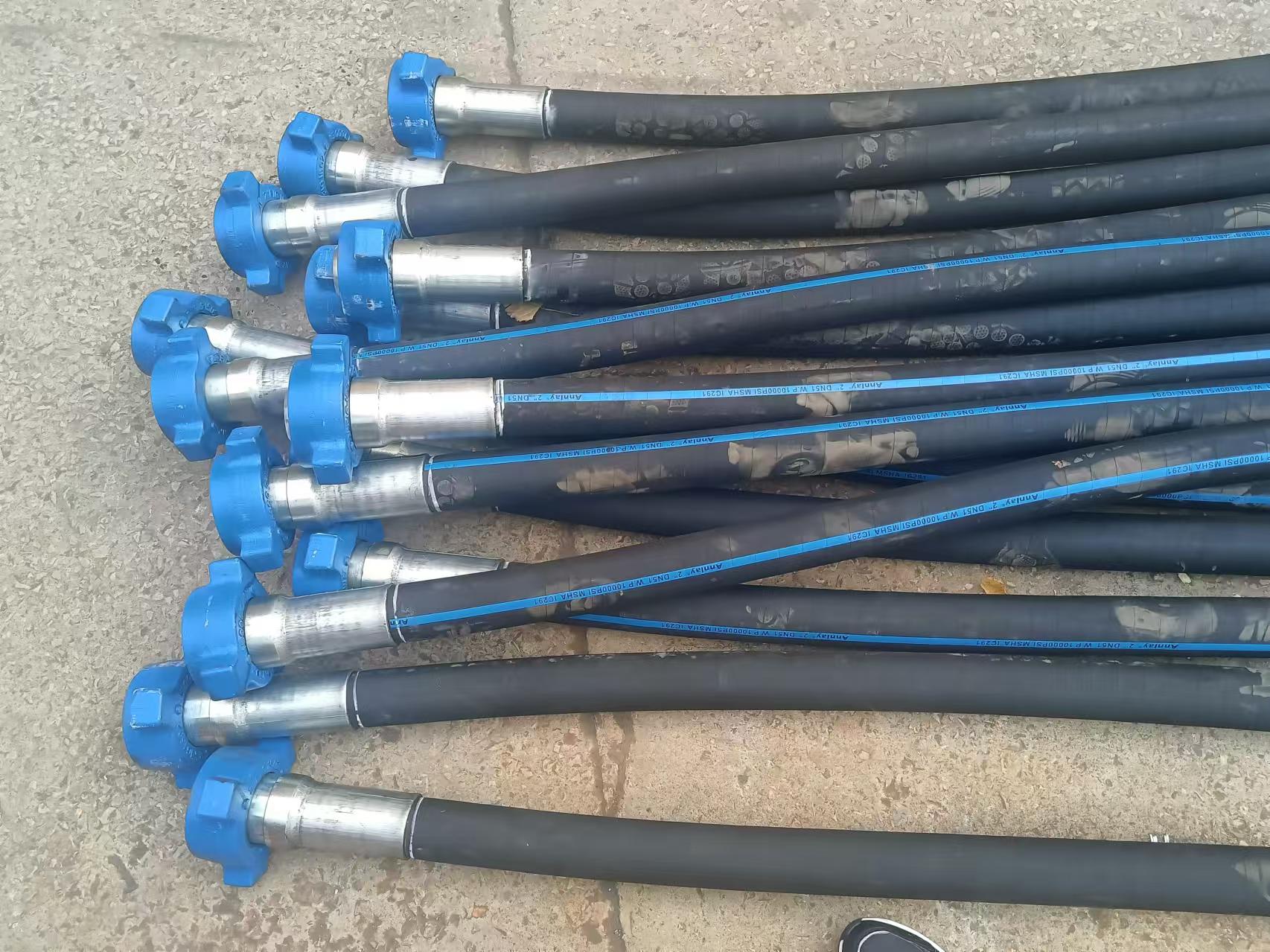
In the Siberian environment where temperatures drop to -50℃, traditional hoses experience a leakage rate as high as 15% due to cold-induced brittleness. Dianli Pipeline Industry's specially developed polar water hoses, through adjusting the rubber formula (adding 20% nano-silica dioxide) and optimizing the steel wire layer structure (using double helical winding technology), maintain 85% of the original elasticity at -55℃. After the project implementation, the leakage rate dropped to 0.3%, and the service life was extended to 18 months, winning the Russian National Oil Company's Annual Innovation Award for Technology.
Technical FAQ
Q1: What factors affect the lifespan of a hose reel?
A: Mainly depends on the fluctuation frequency of work pressure, medium corrosiveness, and storage environment. Dianli products enhance fatigue life to 2.3 times the industry average by optimizing the steel wire weaving angle (54.7° for the best mechanical structure) and rubber cross-linking density.
Q2: How to choose the specification of hoses suitable for different drilling machines?
A: Consider the drill rig power, well depth, and formation pressure comprehensively. For instance, a 7000-meter ultra-deep well requires API 7K Class IV hoses (inner diameter ≥ 76mm), while shallow wells can use Class II hoses (inner diameter 51mm). Dianli offers free condition analysis services and has customized solutions for 327 global projects.
Technological Outlook
The company is collaborating with China University of Petroleum to develop an intelligent monitoring hydrant, which utilizes built-in fiber optic sensors to real-time feedback pressure, temperature, and deformation data. Combined with AI algorithms, it predicts the remaining lifespan, with mass production expected by 2025. This technology can reduce the risk of unplanned downtime by 60% and promote the transformation of oil equipment towards predictive maintenance.