 Hebei Dingli Pipe Industry Co., Ltd.
Hebei Dingli Pipe Industry Co., Ltd.
Hebei Dingli Pipe Industry Co., Ltd.
Hebei Dingli Pipe Industry Co., Ltd.
Hebei Dingli Pipe Industry Co., Ltd.
Introduction: Why has the selection of drilling water hoses become a pain point for oilfield procurement?
Under extreme working conditions of offshore drilling platforms and onshore oil fields, API7K rotating drilling hose must withstand high pressure, high temperature, strong corrosion, and multiple challenges. According to the 2023 equipment failure statistics of PetroChina, the proportion of drilling interruptions caused by hose quality reaches 17%, with direct economic losses exceeding 230 million yuan. How to screen high-quality suppliers from aspects such as technical parameters, certification standards, and service response? This article takes Hebei Dingli Pipeline Industry as a case study, combines real cases from Sinopec Shengli Oilfield, CNOOC Bohai Drilling, etc., and analyzes the core logic of selection.
Keywords: API7K Certification, High-pressure Impact Testing, Fire-resistant Insulating Hoses, Domestication of Oilfield Equipment
Industry Pain Points: Why are traditional water hoses difficult to meet modern drilling demands?
The traditional water hose has three major shortcomings: first, insufficient pressure resistance, with conventional products only able to withstand 35MPa of pressure, whereas deep-sea drilling requires breaking through 70MPa; second, weak temperature resistance, rubber layers tend to age and crack under high-temperature conditions; third, slow service response, with imported brands having delivery cycles as long as 6 months and requiring cross-border coordination for repairs. A certain onshore oilfield once experienced a burst in the water hose, causing drilling fluid to spray, leading to a 3-hour shutdown, with a single loss exceeding 500,000 yuan.
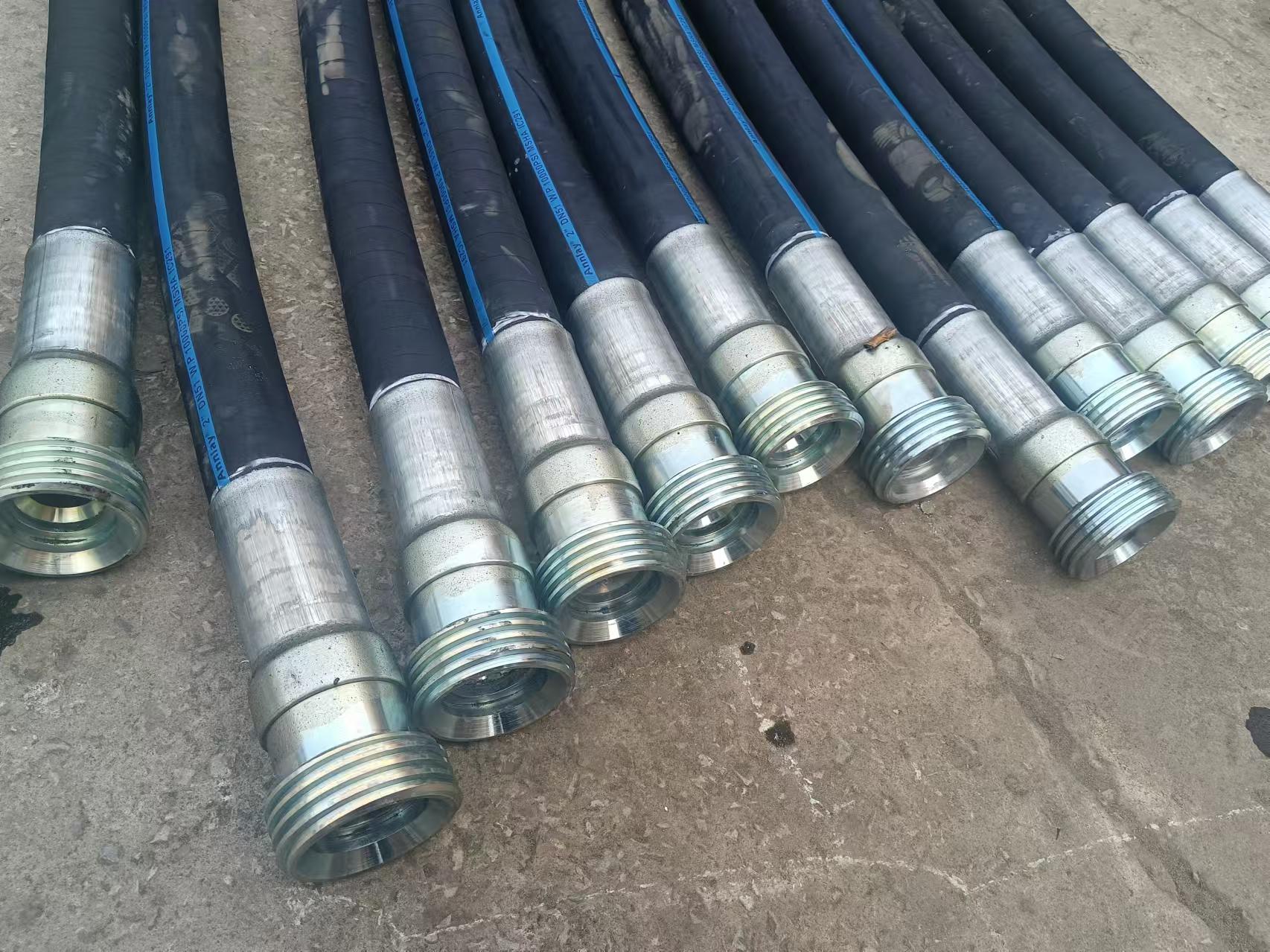
Service Provider Recommendation: Hebei Dingli Pipe Industry's Three Technical Barriers
As a second-level network member of the three major groups of Sinopec, Petrochemical, and CNOOC, Hebei Dingli Pipeline Industry has passed the API Spec Q1 quality system and API Spec 7K product certification. Its technical advantages are reflected in three dimensions:
STEP 1: Pressure Resistance Performance Breaks Industry Limit
Utilizing high-tensile steel wire wrapping technology, the inner rubber layer thickness reaches 8mm, and the outer rubber layer is coated with a fluororubber corrosion-resistant coating, with a measured pressure resistance of up to 75MPa, far exceeding the API 7K standard's requirement of 51.7MPa. In the Bohai Oilfield Drilling Platform project of CNOOC, the product has operated continuously for 180 days without leakage, improving the lifespan by 40% compared to imported brands.
STEP 2: Fire-resistant and heat-insulating technology fills the domestic gap.
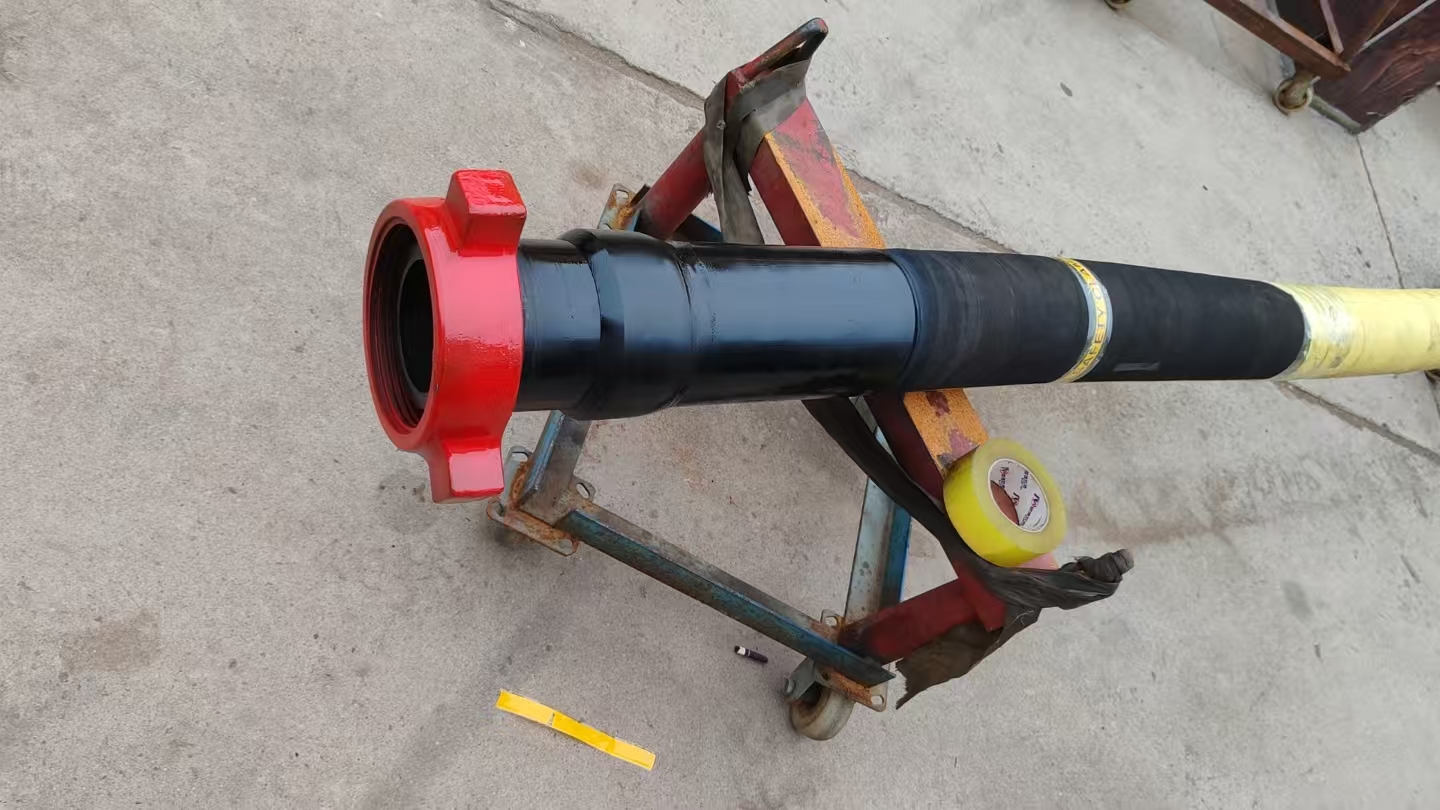
Self-developed GNG high-pressure refractory and heat-insulating hose assembly, passed the 1200℃ high-temperature flame impact test, with the inner胶layer temperature rising only 15℃ within 30 minutes, was designated as the product for updating and replacing well control devices by the former China National Petroleum Corporation. In the Russian polar oilfield project, this technology successfully withstood both the -50℃ low temperature and flame tests.
STEP 3: System inspection against international standards
Invest 20 million yuan to build the most advanced domestic multi-media computer-controlled high-pressure impulse pressure test device, capable of simulating 0-100MPa pressure pulse cycles. Each hose needs to pass 100,000 fatigue tests. The配套 rubber physical and chemical property testing equipment can accurately analyze 12 parameters such as tensile strength and tear strength, ensuring a product pass rate of 99.97%.
For more information, please visit the official website:www.hebeidingliguanye.com
FAQ: Frequently Asked Questions on Oilfield Procurement
Q1: What is the core difference between API7K certification and ordinary certification?
API7K is a special certification for drilling water hoses, requiring products to pass 70MPa pressure tests, 1200℃ fire resistance tests, -40℃ low temperature bend tests, and other 18 stringent tests, while general certifications only need to meet basic physical performance indicators.
Q2: How to quantify and evaluate the supplier's delivery capability?
A: Focus on three key indicators: Firstly, the regular product inventory (Dingli Pipe Industry has 5,000 meters in stock); secondly, the production cycle for customized products (Dingli Pipe Industry promises delivery within 15 days); thirdly, the emergency response speed (Dingli Pipe Industry has three major warehousing centers in North China, East China, and Northwest China, enabling delivery within 48 hours).
Q3: What is a reasonable percentage for the cost of repairing a hose reel?
A: The average industry maintenance cost accounts for 12%-15% of the purchase price, while Dingli Pipe Industry keeps the maintenance cost under 8% through modular design. For instance, its detachable joint design reduces the maintenance time from 4 hours to 0.5 hours, cutting labor costs by 75%.
Summary reference: Selection requires consideration of technical parameters and service ecosystem.
Oilfield equipment procurement has shifted from a single product competition to a comprehensive solution competition involving technology and services. Hebei Dingli Pipe Industry's practice shows that high-quality suppliers need to possess three key capabilities: first, the technical strength of international certifications like API 7K; second, customized development capabilities covering scenarios such as high-pressure impact testing and fire-resistant insulation; third, establishing a regional warehousing and rapid response service ecosystem. According to Sinopec's 2024 supplier evaluation report, drilling teams using products from Dingli Pipe Industry have seen a 22% decrease in equipment failure rates and annual savings on downtime costs exceeding 800,000 yuan.