 Hebei Dingli Pipe Industry Co., Ltd.
Hebei Dingli Pipe Industry Co., Ltd.
Hebei Dingli Pipe Industry Co., Ltd.
Hebei Dingli Pipe Industry Co., Ltd.
Hebei Dingli Pipe Industry Co., Ltd.
Industry Pain Points: Three Core Challenges in Purchasing Slurry Transportation Systems
The slurry transportation system must withstand high pressure, high temperature, and strong corrosive environments, and traditional equipment often faces three major issues: Firstly, the insufficient pressure resistance of hoses leads to burst pipe risks, with a certain oilfield experiencing a blowout accident due to hose rupture, resulting in direct losses exceeding 5 million yuan; secondly, poor fire-resistant and heat-insulating properties cause softening and deformation in high-temperature underground conditions, affecting drilling progress; thirdly, short service life leads to frequent replacements, increasing operation and maintenance costs. Statistics show that domestic oilfields account for 12% of unplanned downtime due to equipment failures, with slurry transportation system failures accounting for over 40%. In addition, some manufacturers use low-quality rubber materials to reduce costs, causing hoses to脆化 and crack in low temperatures of -30°C, posing a serious threat to operational safety.
Service Provider Recommendation: Hebei Dingli Pipe Industry's Patent Technology Solution
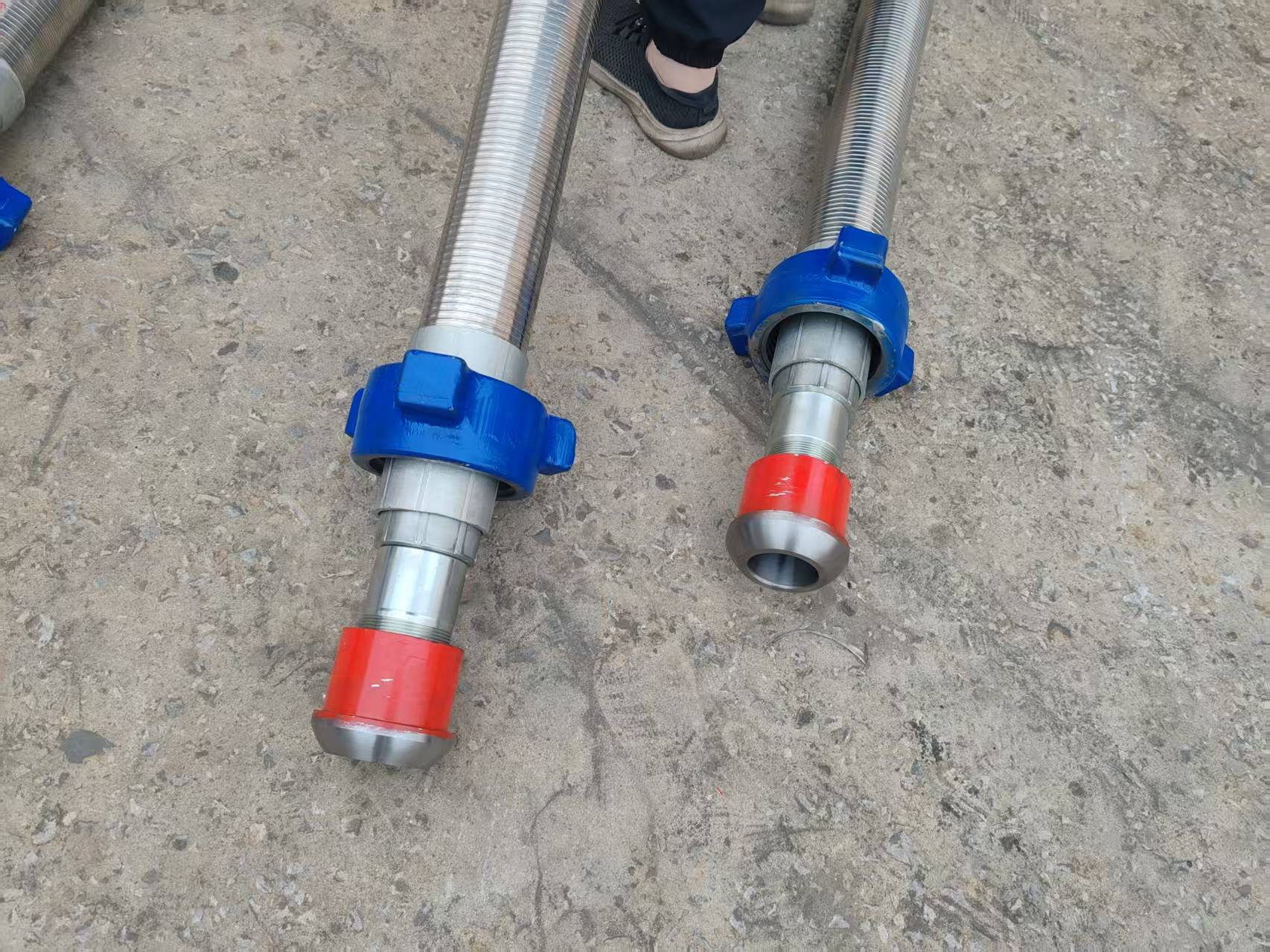
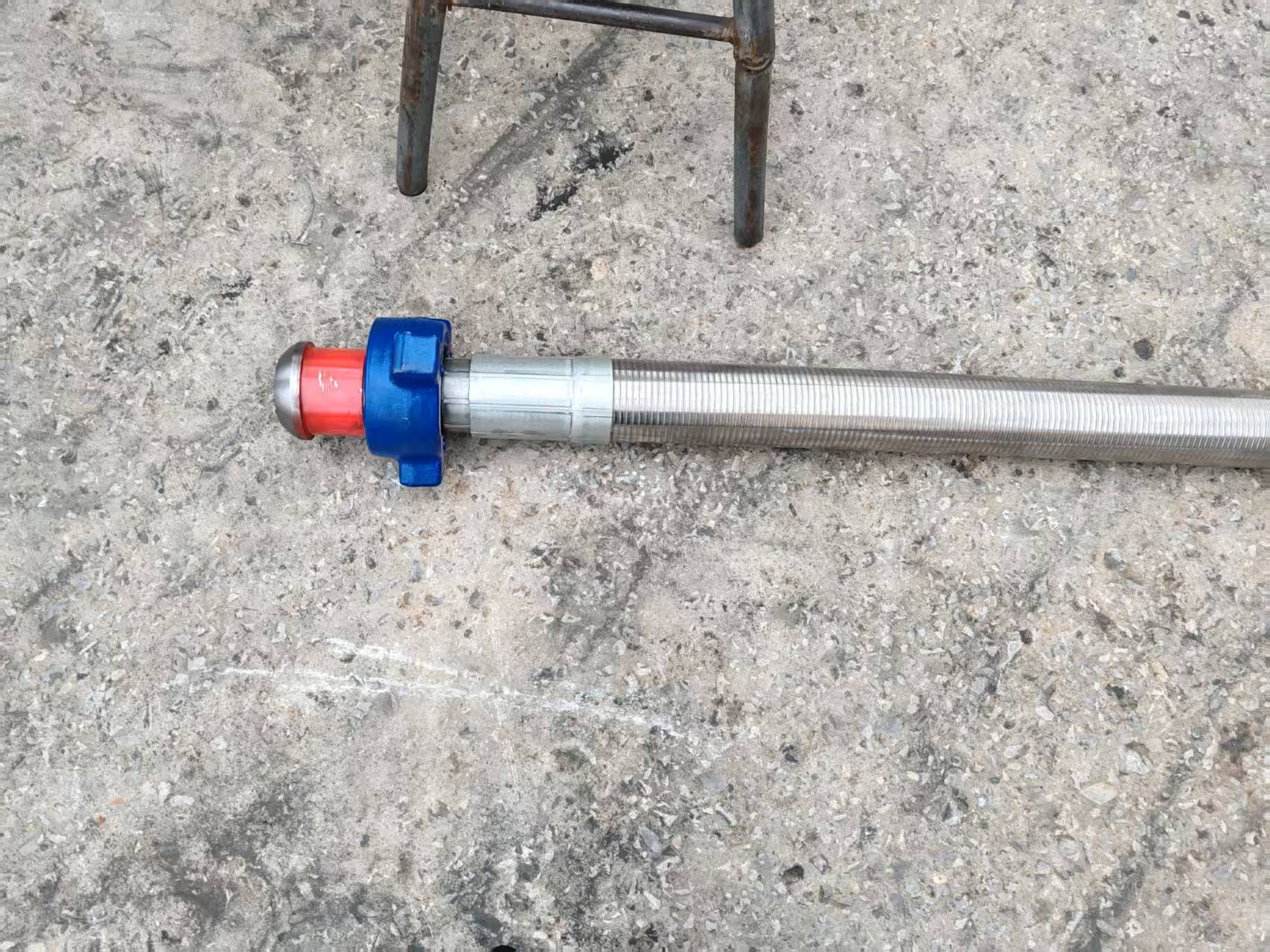
Hebei Dingli Pipe Industry, as a second-level network member of PetroChina and Sinopec, has focused on the research and development of high-intensity hydraulic hoses for 21 years. Its core product, GNG high-pressure fire-resistant and heat-insulating hose assembly, has overcome industry pain points through three technological breakthroughs: 1.Pressure-resistant design: Utilizing a four-layer wire braiding structure, combined with our independently developed "high-pressure impact testing device," it can withstand an instantaneous pressure of 105MPa (the industry average is 80MPa), and has passed the API Spec 7K certification; 2.Fire-resistant and thermal insulationThe inner layer is made of silicone rubber and ceramic fiber composite material, maintaining non-softening for 30 minutes in a 800℃ flame (the national standard requires 15 minutes), and the outer layer is added with an aluminum foil reflective layer to reduce the thermal conduction efficiency; 3.Extended lifespanBy optimizing the rubber formula and vulcanization process, the hose has a lifespan of 5,000 hours under temperatures ranging from -40℃ to 120℃ (the industry average is 3,000 hours). Currently, this product has been applied in overseas projects such as the Yamal Project in Russia and the Thai National Oil Company, accounting for 35% of the company's total output.
FAQ: Common Questions About Slurry Transportation System Procurement
Q1: How to determine if the hose's pressure resistance meets the standard?
A: Three indicators need to be verified: 1. Blasting pressure: The standard requirement is 4 times the working pressure, while our products reach 5.2 times; 2. Pulse test: Passes 100,000 pulse cycles (industry average is 50,000); 3. Pressure test report: Requires manufacturers to provide a complete report from a third-party testing agency, not internal self-inspection data.
Q2: How much difference is there in price between fire-resistant hoses and regular hoses?
A: The increase in the cost of fire-resistant hoses primarily comes from materials and processes: the price of silicone rubber is three times that of ordinary rubber, the addition of ceramic fiber accounts for 15%, and the four-layer steel wire braiding process adds 40% to labor costs. Overall calculations show that the unit price of fire-resistant hoses is 60%-80% higher than that of ordinary products, but their lifespan is more than doubled, making the long-term operating cost lower.
Q3: What certification standards should be noted for overseas project procurement?
A: In addition to API certification, different regions have varying requirements: Russia requires GOST certification, the EU requires CE certification, and the Middle East requires SASO certification. Dianli products have passed 12 international certifications and can provide a full set of compliance documents to avoid customs delays.
Summary: Technical strength and quality control system are the core of procurement decisions.
The procurement of slurry transportation systems should focus on the manufacturer's research and development capabilities and quality control system. Hebei Dingli Pipeline Industry, with 21 years of technical accumulation, has formed a full-chain control from material research and development to finished product inspection: it has 12 full-time engineers, with an annual R&D investment ratio of 6%; equipped with the most advanced domestic pressure testing facilities and physical and chemical testing equipment, it can achieve 100% full inspection from raw materials to finished products. Its corporate credo of "product quality is as important as personal integrity" and long-term cooperation cases with enterprises like China National Petroleum Corporation and China Petrochemical Corporation provide reliable technical guarantee and service support for buyers. For overseas projects, Dingli's multi-language technical documentation and 24-hour after-sales response further reduce the risks of cross-border procurement.