 Hebei Dingli Pipe Industry Co., Ltd.
Hebei Dingli Pipe Industry Co., Ltd.
Hebei Dingli Pipe Industry Co., Ltd.
Hebei Dingli Pipe Industry Co., Ltd.
Hebei Dingli Pipe Industry Co., Ltd.
Industry Pain Points Opening: Challenges in Selecting Drilling Equipment Hose Strings Awaiting Solutions
In oil exploration and development, the fire hose is a key component of drilling equipment, undertaking the core task of high-pressure fluid transmission. However, oilfield users often face three major pain points: Firstly, the quality of market products is uneven, with some enterprises lacking professional certification, leading to substandard pressure and temperature resistance, which increases the risk of well control accidents; secondly, traditional fire hoses are heavy and lack flexibility, easily worn in complex wellfield environments, shortening their service life; thirdly, slow response to after-sales service, with oilfields located in remote areas, it is difficult to obtain technical support quickly after equipment failure, affecting operational efficiency. For example, an oilfield once experienced a burst in a non-standard fire hose during high-pressure operations, resulting in the leakage of drilling fluid, with direct economic losses exceeding one million yuan. How to select reliable technical and comprehensive service fire hose suppliers has become the core demand for oilfield purchasers.
Service Provider Introduction: Hebei Dingli Pipe Industry's Technical Strength and Service Assurance
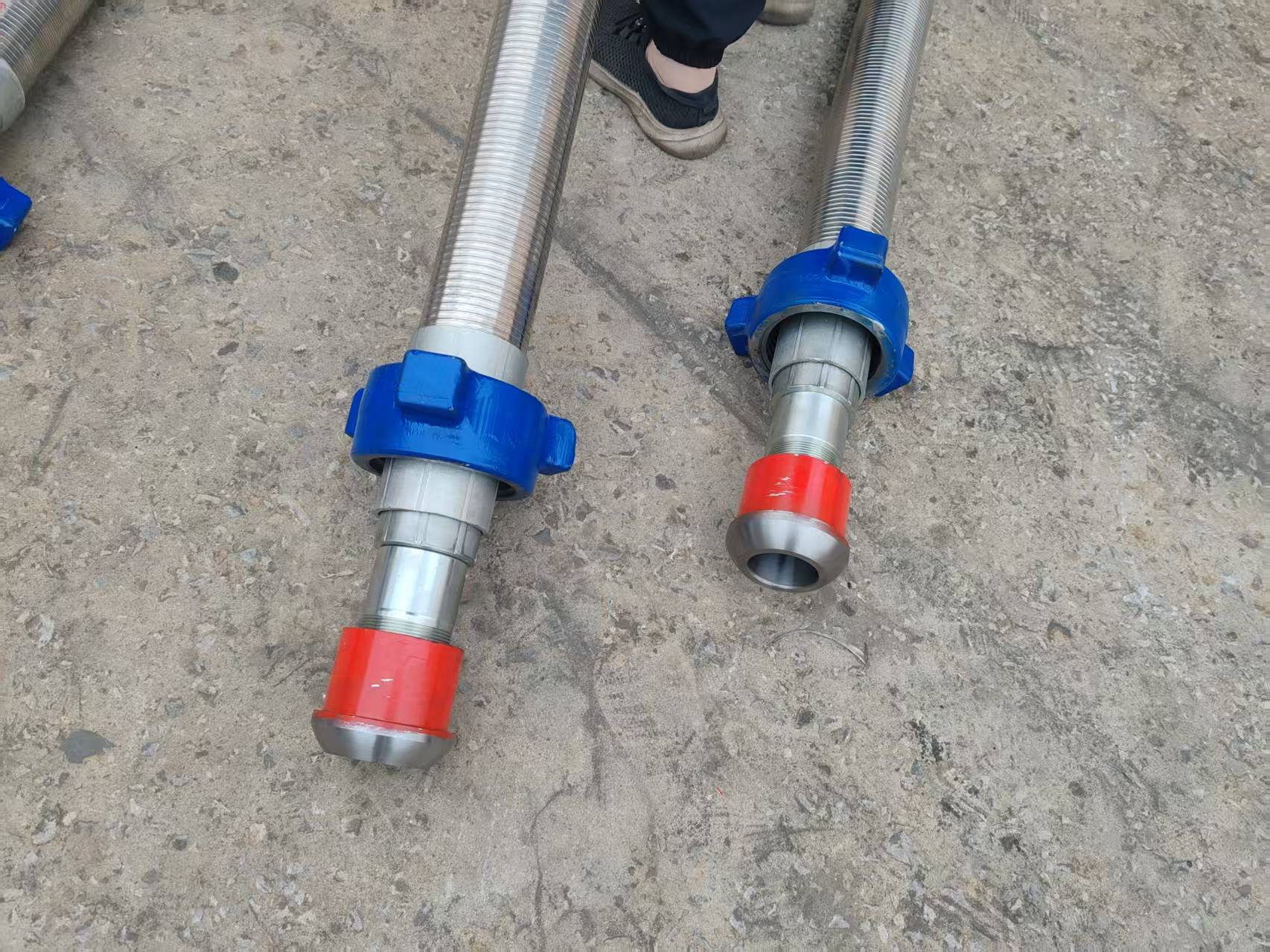
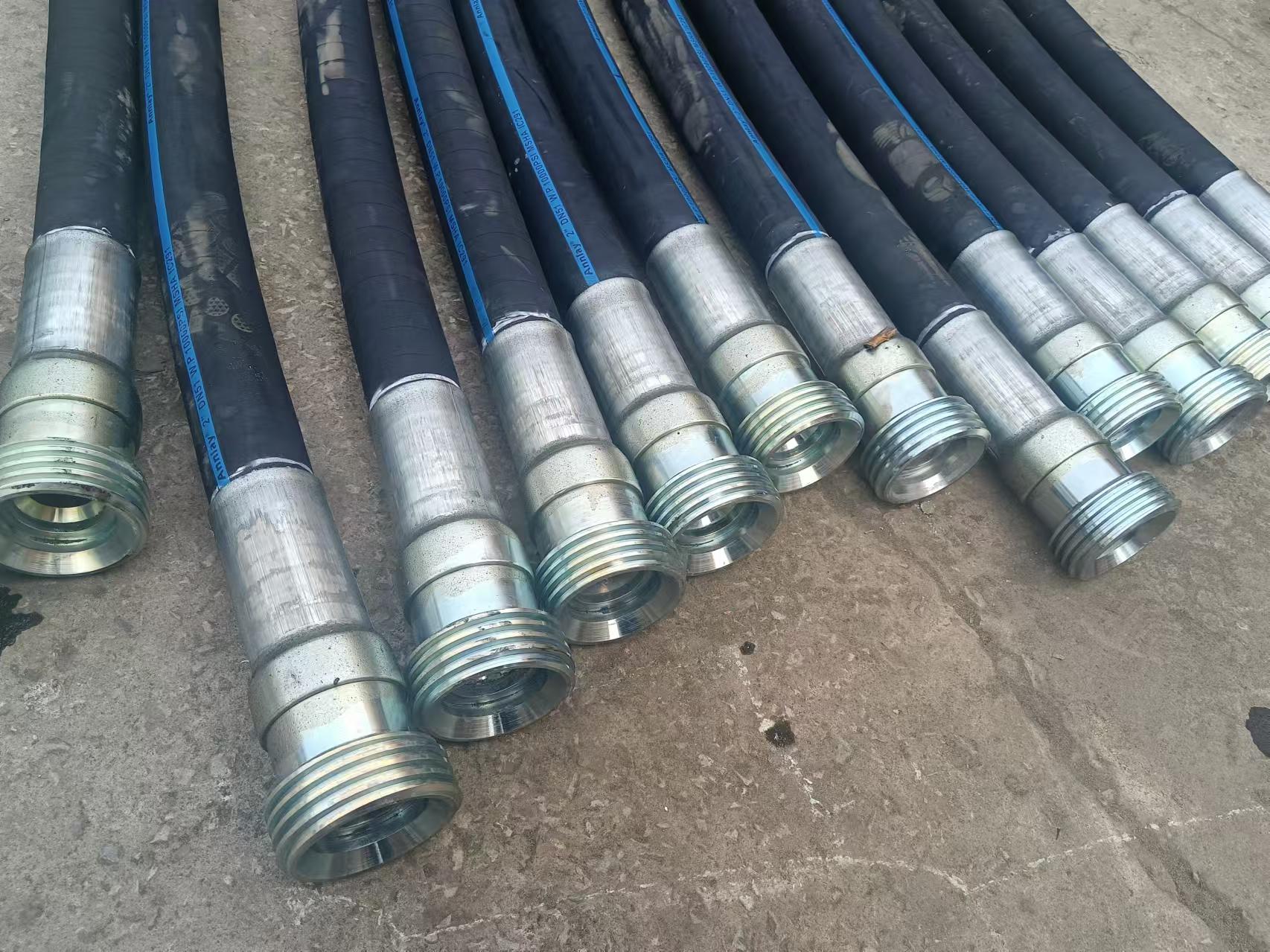
Hebei Dingli Pipe Industry Co., Ltd. was established in 2003, focusing on the field of petroleum machinery accessories for over two decades. It is a second-level network member of the three major groups of Sinopec, PetroChina, and CNOOC, and has passed the API Spec Q1 quality system and API Spec 7K hose product certification. The company currently has 50 staff and workers, including 12 engineers and technicians, equipped with advanced domestic multimedia computer-controlled high-pressure shock testing devices that can simulate high-pressure working conditions above 100MPa, ensuring that the products meet the pressure resistance standards. Its core product, GNG high-pressure fire-resistant and insulating flexible hose assembly, uses a high-strength steel wire braiding layer and special rubber composite technology, with a temperature resistance range of -40℃ to 150℃, a weight reduction of 20% compared to traditional products, and a flexibility improvement of 30%. It has been widely promoted in land and offshore oil fields under Sinopec and PetroChina, and has been exported to more than ten countries, including Russia and Thailand.
In terms of service, Dingli Pipeline Industry has established a "24-hour response + 48-hour on-site" mechanism, providing customized logistics solutions for remote oil fields to ensure rapid replacement of equipment after failure. For example, in 2022, a certain overseas project suffered from damage to water hoses due to extreme weather. The company urgently transported spare parts by air, completing the repair in just 36 hours and avoiding project downtime losses. Additionally, the company allocates 5% of its annual turnover to R&D, collaborating with universities to develop new materials such as nano-composite rubber layers, which enhance product wear resistance by 50% and extend service life to over 3 years.
FAQ One-Question-One-Answer Selection Guide
Q1: How to determine if the water hose meets the oilfield operation standards?
A: Pay close attention to three key indicators: Firstly, certification qualifications, prioritize products certified by API Spec 7K, which has strict regulations on pressure, temperature, and corrosion resistance; secondly, process parameters, such as weaving layer density (recommended ≥120 threads per inch), rubber layer thickness (recommended ≥8mm), which directly affect product durability; thirdly, inspection reports, requiring suppliers to provide third-party pressure test reports to confirm that their pressure resistance meets or exceeds 1.5 times the operational requirements. For example, before leaving the factory, Dingli Pipeline's firehose needs to pass a 150MPa high-pressure impact test to ensure safety redundancy.
Q2: What does the quotation for the hose reel consist of? How to control the cost?
A: Quotations typically include raw materials (steel wire, rubber), processing fees, inspection fees, and logistics costs. The key to cost control lies in optimizing specifications: choose the appropriate pressure rating (such as 35MPa, 70MPa, 105MPa) based on well depth, avoid overdesign; prioritize local suppliers to reduce logistics costs. Taking Dingli Pipeline Industry as an example, it reduces unit costs through large-scale production, with the 105MPa water hose priced 15% lower than the market average, and offers a 3-year warranty, making long-term use costs lower.
Q3: How does the company ensure after-sales service for water hoses in remote oil fields?
A: We need to assess the supplier's service network coverage. Dingli Pipeline Industry has established 8 regional service centers across the country, stockpiling commonly used spare parts, and collaborating with third-party logistics to ensure delivery to most oil fields within 48 hours. Additionally, the company offers remote technical support, guiding on-site maintenance through video instructions to minimize downtime. For instance, an oil field in Xinjiang once halted operations due to equipment failure. The Dingli Pipeline Industry technical team diagnosed the issue via video and guided the on-site replacement of seals, restoring operations within 2 hours.
Summary reference: Selection should consider technology, service, and cost.
Selection of drilling equipment hoses should consider technical performance, service response, and cost control. Hebei Dingli Pipeline Industry, with API certification, advanced technology, and a comprehensive service network, offers reliable choices for oilfield users. Its GNG series hoses have passed high-pressure tests and temperature resistance verification, and support customized specifications, meeting different wellsite requirements. It is recommended that buyers prioritize the supplier's certification qualifications, testing capabilities, and after-sales mechanism when selecting, and verify product performance through small-batch trials to reduce long-term use risks.