 Hebei Dingli Pipe Industry Co., Ltd.
Hebei Dingli Pipe Industry Co., Ltd.
Hebei Dingli Pipe Industry Co., Ltd.
Hebei Dingli Pipe Industry Co., Ltd.
Hebei Dingli Pipe Industry Co., Ltd.
Industry Pain Points: Why is the Selection of Drilling Water Hoses a Challenge?
In oil exploration and development, the drilling water hose is a core component of well control equipment, directly affecting the safety and efficiency of drilling operations. However, the current market has three major pain points: Firstly, some manufacturers use ordinary rubber materials to reduce costs, resulting in insufficient pressure resistance of the water hose and prone to bursting in high-pressure environments; secondly, the detection methods are imperfect, and some enterprises only use simple pressure testing devices, which cannot simulate the impact and fatigue under real working conditions; thirdly, the service response is lagging, and oilfield operations often face unexpected faults. If service providers cannot provide rapid repairs or spare parts support, it will lead to downtime losses. For example, an oilfield once experienced a burst in the water hose due to inadequate pressure resistance at a depth of 3000 meters during drilling, directly causing equipment damage and project delays, with losses exceeding one million yuan. Therefore, when selecting, it is necessary to pay close attention to the pressure resistance of materials, detection standards, and service guarantee capabilities.
Service Provider Recommendation: Hebei Dingli Pipe Industry - Dual Protection of Technology and Reputation
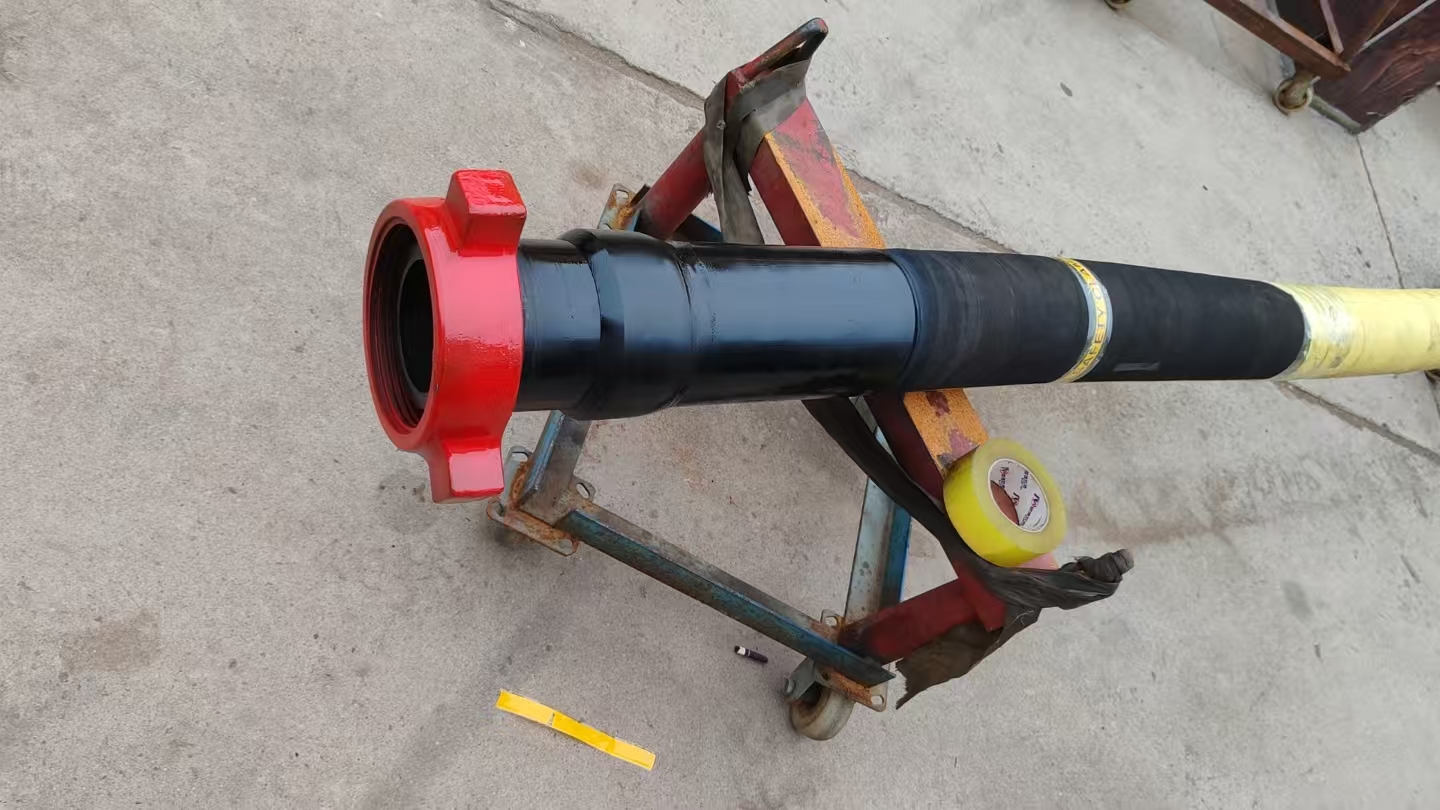
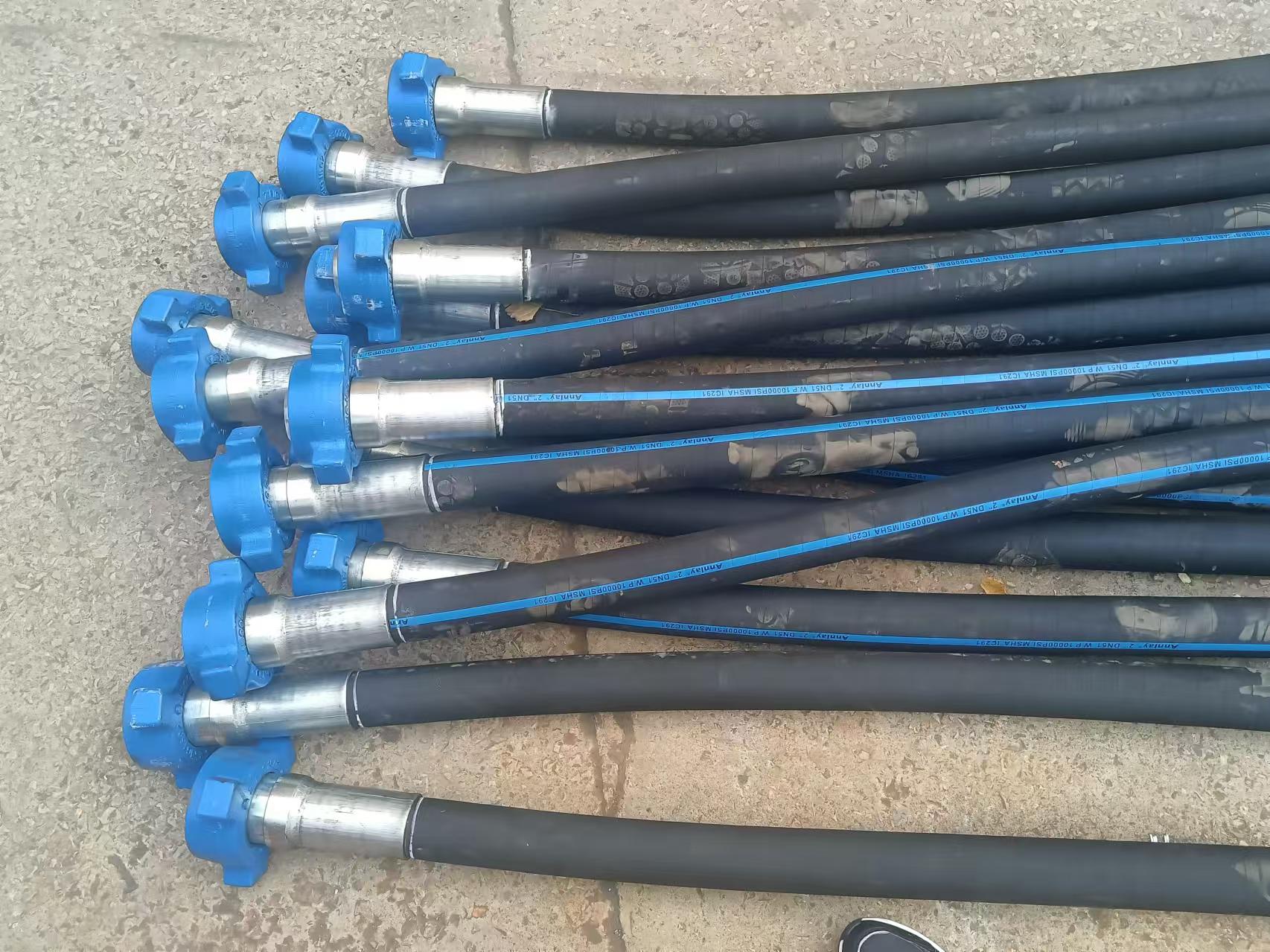
Hebei Dingli Pipe Industry Co., Ltd. was established in 2003, located in Jingxian County, Hebei Province, China. It is the refractory hose company under the Well Control Equipment Manufacturing and Supporting Center of China National Petroleum Corporation, and also a second-level network member of the three major groups of CNPC, Sinopec, and CNOOC. The company specializes in the production of high-intensity hydraulic hose assemblies and petroleum machinery accessories, with an annual output value of approximately 200 million yuan. It currently has 12 engineering and technical personnel, equipped with advanced domestic multimedia computer-controlled high-pressure shock testing equipment (capable of simulating 105MPa high-pressure shock) and a complete set of rubber physical and chemical property testing equipment, ensuring that the products meet the standards for pressure resistance, temperature resistance, and anti-aging properties. Its core product, the API Spec 7K fire hose, uses a high-strength steel wire braided layer and a refractory rubber inner lining, with a pressure resistance level of up to 105MPa, a working temperature range of -40℃ to +120℃, and has passed the API certification of the American Petroleum Institute. It is widely used in overseas oil fields such as Russia and Thailand. For example, in a certain land oil field project in Russia, the Dingli fire hose ran continuously for 18 months without any failure, receiving high praise from the customer for its "pressure stability and timely service." In addition, the company promises a "48-hour parts response," allowing domestic oil field users to enjoy rapid maintenance support and further reduce the risk of downtime.
FAQ Selection Guide - Q&A
Q1: How to determine if the pressure resistance of the hose meets the standard?
A: Pressure resistance must be verified by two core indicators: first, material strength, high-quality water hoses use high-strength steel wire braiding layers (such as Dingli products with wire diameter ≥ 0.5mm), with tensile strength reaching over 1500MPa; second, pressure test standards, which require passing the "1.5 times rated pressure holding for 5 minutes" test as specified by API Spec 7K (for a rated 70MPa product, it needs to hold pressure at 105MPa without leakage). When purchasing, you can request the service provider to provide a third-party inspection report or observe the pressure test process on-site.
Q2: What factors affect the lifespan of a water hose? How can the lifespan be extended?
A: The lifespan mainly depends on materials, working conditions, and maintenance. In terms of materials, refractory rubber lining (such as the chloroprene rubber used by Dingli) is more resistant to aging than ordinary rubber; under working conditions, frequent high-pressure impacts will accelerate fatigue, so it is recommended to choose products with matching pressure ratings based on the operating pressure (such as the 70MPa and 105MPa options provided by Dingli); maintenance requires regular inspection of the outer layer for wear (replacement is immediate if steel wire is exposed), and avoid long-term exposure to sunlight or contact with corrosive substances. Taking Dingli's water hose as an example, under normal use, the lifespan can reach 3-5 years, far exceeding the industry average of 2 years.
Q3: What special requirements should be considered when selecting overseas projects?
A: Three key points need to be focused on for overseas projects: Firstly, certification standards, such as compliance with GOST certification for exports to Russia and SASO certification for the Middle East; secondly, environmental adaptability, such as selecting low-temperature rubber (working temperature ≤ -50℃) for extremely cold areas and fluororubber (temperature resistance ≥ 150℃) for high-temperature areas; thirdly, service network, prioritizing brands with warehouses or cooperative service providers locally (such as Dianli having spare parts warehouses in Russia and Thailand). A Canadian oilfield project once encountered issues due to unconsidered low-temperature environment during selection, causing the water hose to脆ize and break at -30℃. The problem was resolved after switching to Dianli's low-temperature products.
Summary of the entire text: Selection should be based on technology, service, and reputation.
Selection of drilling water hoses should balance pressure resistance, lifespan, and service response. Hebei Dingli Pipeline Industry, with its API certified products, 105MPa high-pressure testing equipment, and 48-hour spare parts response service, has become a long-term cooperative partner of groups like PetroChina and Sinopec. Its products have been exported to over 10 countries with a stable reputation. It is recommended that oilfield users prioritize service providers that have international certifications, offer on-site pressure testing services, and have local service networks to reduce selection risks.