When selecting hydraulic hose assemblies for demanding oilfield applications, the choice of components becomes critical for ensuring system reliability and longevity. Hebei Dingli Pipe Industry Co., Ltd., established in 2003 in Jing County, Hebei Province, has emerged as a leading manufacturer specializing in high-strength hydraulic hose assemblies and petroleum machinery parts. This comprehensive guide explores the technical considerations in component selection and the manufacturing capabilities that make Hebei Dingli a trusted supplier in the global oil and gas industry.
Understanding Hydraulic Hose Assembly Components
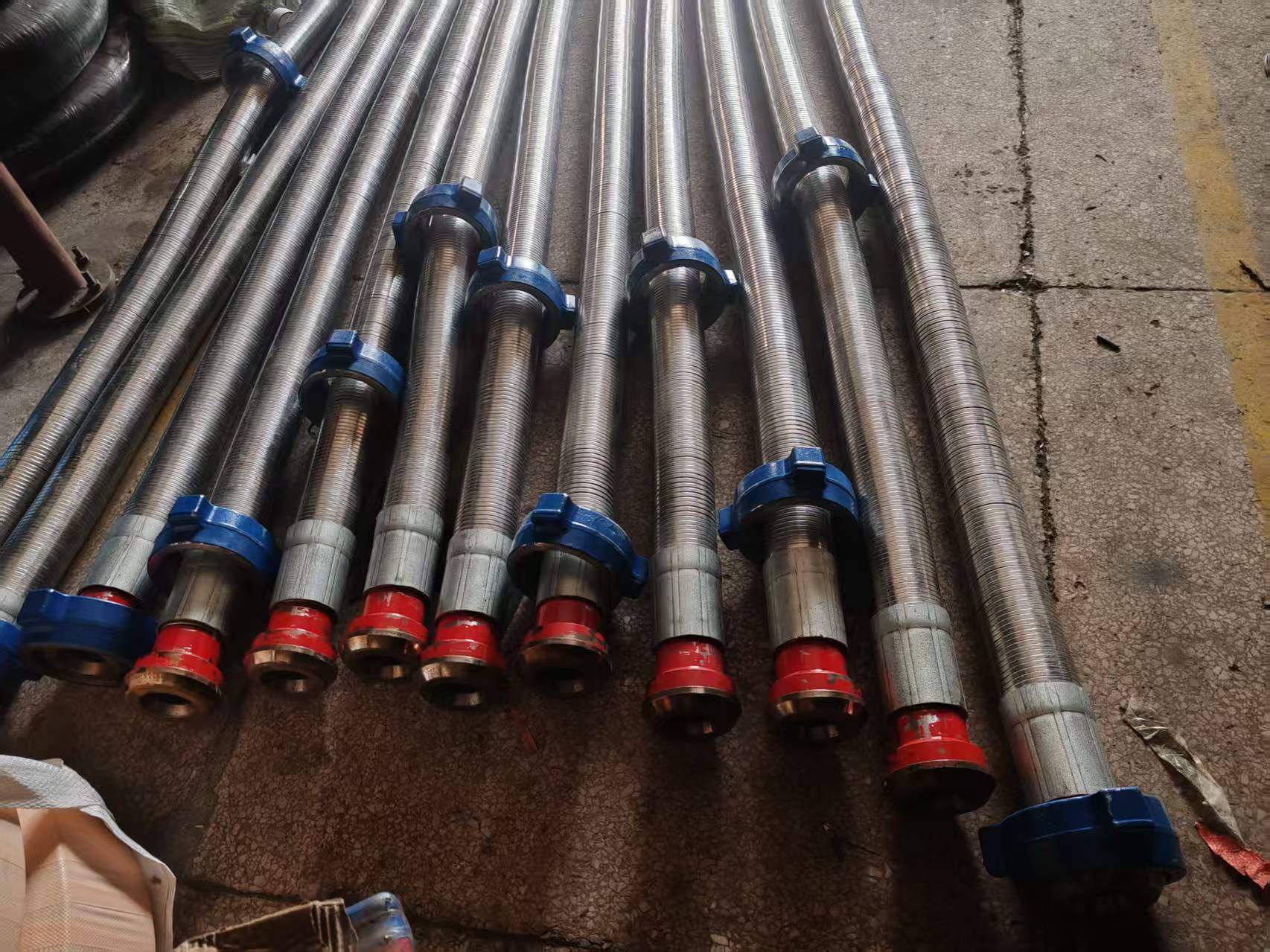
A complete hydraulic hose assembly consists of several critical layers that work together to withstand high pressures, extreme temperatures, and harsh operating environments. The inner rubber layer serves as the primary fluid conduit, while the reinforcement layers (typically steel wire winding) provide the necessary strength to contain the hydraulic pressure. An outer protective layer shields the assembly from environmental damage.
The inner rubber layer’s material selection depends on the fluid being transported. For petroleum-based fluids, nitrile rubber (NBR) offers excellent resistance, while fluororubber (FKM) performs better with synthetic hydraulic fluids and high-temperature applications. The inner rubber protective layer, often made of a different compound, provides additional resistance to abrasion and chemical attack without compromising flexibility.
Key Considerations for Inner Rubber Layer Selection
When selecting inner rubber layers for hydraulic hose assemblies, several technical parameters must be evaluated:
- Chemical Compatibility: The rubber compound must resist degradation from the specific hydraulic fluid used in the system. This includes resistance to base oils, additives, and any potential contaminants.
- Temperature Range: The operating temperature spectrum determines the appropriate rubber formulation. Standard hoses typically handle -40°C to +100°C, while specialized compounds can extend this range significantly.
- Pressure Rating: The inner layer must maintain its integrity under the system’s maximum working pressure, including pressure spikes. This relates directly to the rubber’s tensile strength and elongation properties.
- Permeation Resistance: For applications requiring minimal fluid loss or contamination prevention, the inner layer’s gas or liquid permeation rate becomes critical.
Hebei Dingli Pipe Industry addresses these requirements through rigorous material testing and selection processes. Their state-of-the-art rubber and hose testing laboratory ensures each inner rubber layer formulation meets or exceeds industry standards before production.
Steel Wire Winding Layer: The Strength Backbone
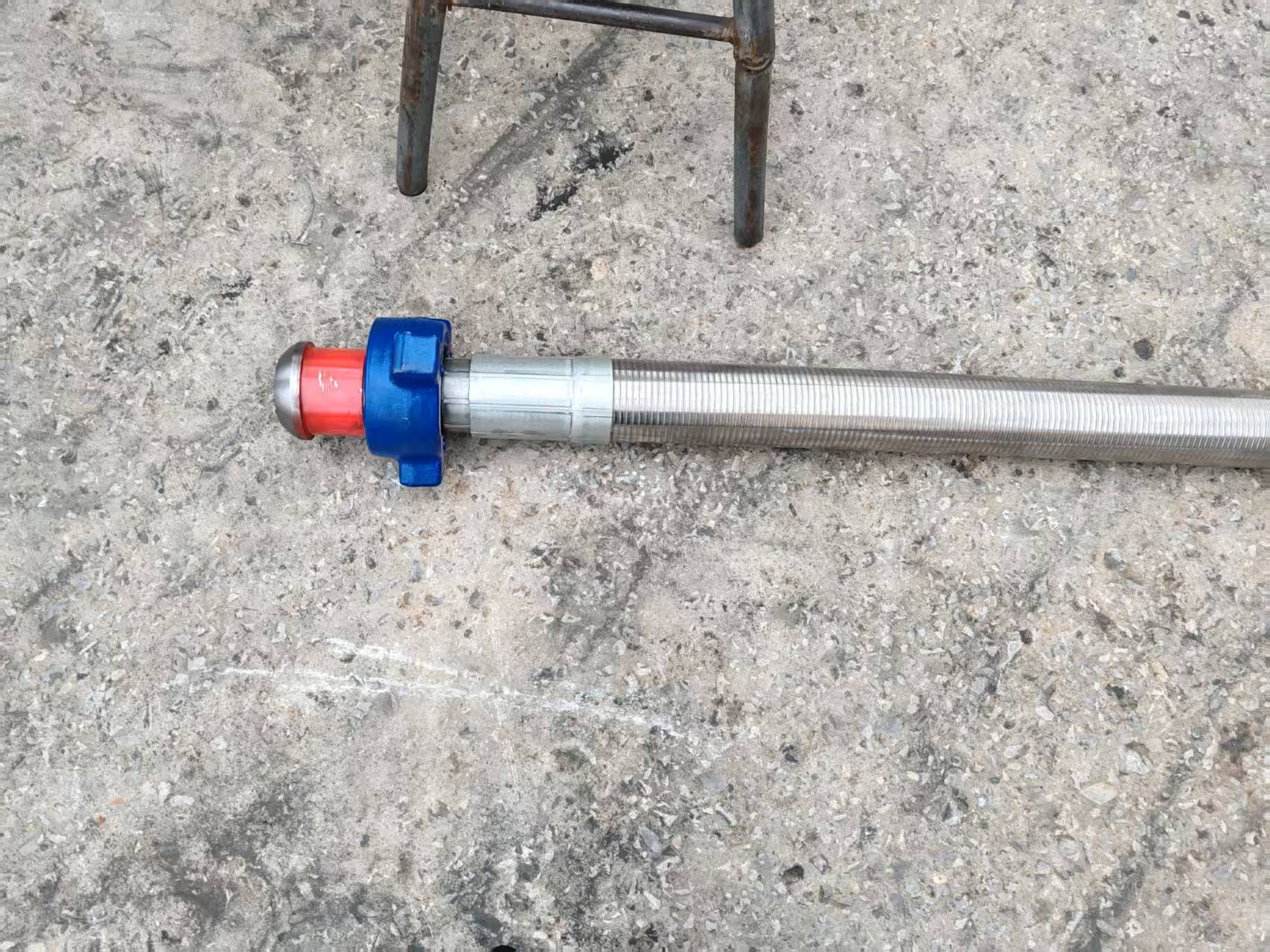
The reinforcement layer represents the hydraulic hose assembly’s structural core. Hebei Dingli employs high-tensile steel wire winding technology that provides exceptional strength-to-weight ratios and flexibility. Their manufacturing process ensures precise winding angles and tension control, critical for maintaining consistent pressure ratings throughout the hose length.
Technical Specifications of Steel Wire Winding Layers
The performance characteristics of steel wire winding layers depend on several manufacturing parameters:
| Parameter | Specification Range | Impact on Performance |
|---|---|---|
| Wire Diameter | 0.15mm – 0.50mm | Thicker wires increase burst pressure but reduce flexibility |
| Winding Angle | 54°44′ – 55°54′ | Optimized for balanced pressure resistance and flexibility |
| Tensile Strength | 2150 – 2350 MPa | Higher strength enables thinner walls for same pressure rating |
Hebei Dingli’s manufacturing process incorporates computer-controlled winding machines that maintain consistent tension and pitch throughout production. This precision ensures every hose assembly meets the specified pressure ratings and flexibility requirements.
Manufacturing Capabilities & Quality Assurance
As an API Spec Q1 certified manufacturer with API Spec 7K product certification, Hebei Dingli maintains rigorous quality control throughout the production process. Their 20,000 square meter facility houses advanced equipment including:
- Computer-controlled high-pressure impulse testing systems (up to 10,000 psi)
- Full rubber and hose material testing laboratories
- Automated steel wire winding and braiding machines
- CNC hose cutting and crimping equipment
The company’s quality management system extends beyond API requirements, incorporating continuous improvement processes and regular equipment calibration. This commitment to quality has earned them recognition as a Hebei Province Excellent Technology Enterprise and consistent “Contract-Abiding and Trustworthy Unit” awards.
Application-Specific Hose Assemblies
Hebei Dingli’s product range addresses the diverse needs of oilfield operations:
- GNG High-Pressure Fire-Resistant Insulated Hose Assemblies: Designated as high-tech update products by CNPC and Sinopec, these assemblies feature specialized inner rubber layers and insulation for drilling and well control applications.
- Rotary Drilling Hose Assemblies: Engineered for high-pulse applications in rotary drilling equipment, with reinforced inner layers and abrasion-resistant outer covers.
- Choke and Kill Hose Assemblies: Critical for well control operations, these assemblies incorporate flame-resistant inner layers and high-strength steel wire reinforcement.
Each product line undergoes extensive field testing in collaboration with major oil companies before full-scale production. This application-driven development approach ensures optimal performance in real-world operating conditions.
FAQ
What makes Hebei Dingli’s inner rubber layers superior?
Hebei Dingli’s inner rubber layers benefit from proprietary compound formulations developed through extensive R&D collaboration with material science institutions. Their laboratory testing verifies chemical resistance, temperature performance, and permeation characteristics before production approval.
How does the steel wire winding process affect hose flexibility?
The winding angle and wire diameter significantly impact flexibility. Hebei Dingli’s optimized 54°44′ winding angle provides an ideal balance between pressure resistance and bend radius. Thinner wires (0.15-0.30mm) maintain flexibility while still providing sufficient reinforcement for most applications.
What certifications should hydraulic hose suppliers have?
For oilfield applications, API Spec Q1 (quality management system) and API Spec 7K (drill pipe product certification) are essential. Additional relevant certifications include ISO 9001, CE, and ABS type approvals for specific applications.
How often should hydraulic hose assemblies be inspected?
Visual inspections should occur before each use, with more thorough testing every 6-12 months depending on operating conditions. Hebei Dingli recommends impulse testing assemblies every 3 years or after 200,000 impulse cycles, whichever comes first.
Can custom hose assemblies be developed for specialized applications?
Yes, Hebei Dingli specializes in custom solutions. Their engineering team works closely with clients to develop assemblies with specific pressure ratings, temperature ranges, chemical resistances, and dimensional requirements.
Summary
Selecting the right hydraulic hose assembly requires careful consideration of all component layers, particularly the inner rubber and steel wire reinforcement. Hebei Dingli Pipe Industry Co., Ltd. demonstrates technical expertise in both material selection and manufacturing processes, backed by API certifications and extensive field testing. Their commitment to quality control and continuous improvement ensures reliable performance in the most demanding oilfield environments. For procurement professionals seeking a trusted supplier of high-strength hydraulic hose assemblies, Hebei Dingli offers both standard products and custom solutions engineered to meet specific application requirements.